Families with young children face car interior cleaning challenges that childless households never encounter. The constant stream of crumbs, spills, sticky residue, and miscellaneous debris that accompanies child transport creates cleaning demands that exceed typical adult-only vehicle use. Understanding these specific challenges and developing strategies to address them efficiently keeps family vehicles acceptably clean without consuming unreasonable time and effort.

Children's mess is largely unavoidable; the goal is managing it effectively rather than expecting prevention. Snacks are necessary for keeping children happy during travel; those snacks create crumbs. Juice boxes prevent thirst; they also spill. Accepting that mess will happen and establishing routines to address it transforms frustrating cleanup into manageable maintenance. The families who keep cleanest cars aren't those whose children somehow don't make messes; they're families who've developed efficient approaches to addressing inevitable mess.

This guide covers car vacuuming strategies specifically for families with young children, addressing the unique debris types and cleaning challenges that child transport creates.
Key Takeaways
- Frequent quick cleaning beats intensive occasional sessions: Regular maintenance prevents overwhelming accumulation
- Address crumbs before they become embedded: Fresh debris is easier to remove than ground-in debris
- Car seat cleaning is essential: Debris accumulates under and around car seats
- Prevention reduces but doesn't eliminate cleaning needs: Containment strategies help but can't prevent all mess
- Accessible equipment enables consistent cleaning: Easy access to vacuum encourages regular use
Table of Contents
Understanding Child-Specific Debris
Children create debris types that require specific attention.
Food crumbs are primary child-related debris. Crackers, cookies, cereal, and similar snacks crumble into countless particles that scatter throughout rear seating areas.
Sticky residue from juice, candy, and fruit creates cleaning challenges beyond standard vacuuming. Adhesive deposits may need surface cleaning beyond debris extraction.
Small items including toys, crayons, and miscellaneous objects accumulate in crevices and under seats. These need manual retrieval before vacuuming.
Sand and dirt from playgrounds and outdoor activities track in heavily after child activities.
Paper debris from art projects, school papers, and stickers adds to general accumulation.
Establishing Cleaning Routine
Regular maintenance prevents the overwhelming accumulation that makes cleaning daunting.
Quick daily or every-other-day spot cleaning addresses worst accumulation before it spreads and embeds.
Weekly thorough cleaning of rear seating area addresses what quick sessions miss.
Monthly deep cleaning includes car seat removal and thorough attention to hidden areas.
Post-event cleaning after particularly messy trips prevents worst debris from setting in.
Routine becomes sustainable when broken into manageable time investments rather than intimidating comprehensive sessions.
Car Seat Cleaning Challenges
Car seats create debris traps requiring specific attention.
Crumbs accumulate under car seats where vacuum access is difficult. Regular seat removal enables thorough cleaning of these hidden areas.
Car seat straps and crevices collect debris that requires detailed cleaning. Small tools and brushes address these tight spaces.
Under car seat installation points accumulates debris that remains hidden until seat removal reveals it.
Car seat covers should be removed and cleaned according to manufacturer instructions. Fabric covers may be machine washable.
Schedule car seat deep cleaning monthly or quarterly depending on mess level. Don't let hidden accumulation go unaddressed indefinitely.
Prevention Strategies
Reducing mess generation reduces cleaning burden, though prevention has limits.
Seat protectors beneath car seats catch some debris that would otherwise reach vehicle upholstery. These can be removed and cleaned easily.
Snack containers with lids reduce spills compared to open bags or boxes. Closed containers still enable snacking while limiting scatter.
Designated eating area rather than entire backseat concentrates mess in specific zone.
Trash container in reach encourages children to dispose of waste rather than dropping it.
No-food policies work for some families but aren't realistic for long trips or children who need snacks to travel well.
Efficient Cleaning Technique
Maximizing results from limited cleaning time requires efficient approach.
Remove large debris by hand before vacuuming. Picking up toys, papers, and visible large items clears the way for effective vacuuming.
Brush loose crumbs from seating before vacuuming. Sweeping surface crumbs into pile enables efficient collection.
Use crevice tool extensively in child seating areas. Crumbs settle into every seam and fold.
Vacuum in overlapping passes to catch scattered debris. Children's debris spreads widely; systematic coverage addresses spread.
Check under floor mats where debris kicked forward accumulates.
Addressing Sticky Residue
Sticky debris requires more than vacuum extraction.
Vacuum first to remove loose debris from sticky areas. This prevents spreading sticky contamination during subsequent cleaning.
Wipe sticky surfaces with appropriate cleaner after vacuuming. Sticky residue needs surface cleaning beyond debris extraction.
Address sticky spills promptly before they set. Fresh sticky mess cleans easier than aged, hardened residue.
Keep cleaning wipes in vehicle for immediate response to sticky spills.
Some sticky situations need professional cleaning if home methods prove inadequate.
Quick Cleaning Tools
Having right tools accessible enables consistent maintenance.
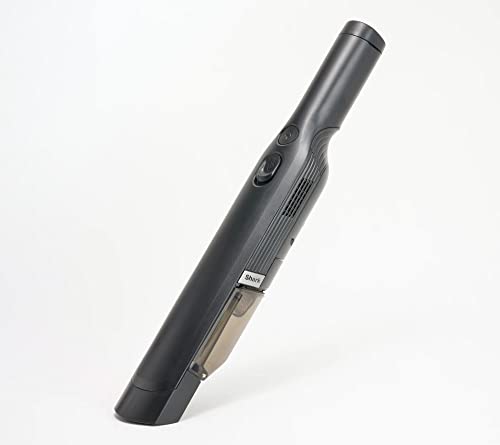
Handheld vacuum stored in vehicle enables immediate response to messes. Vehicle-accessible vacuum encourages regular quick cleaning.
Small brush for sweeping seats before vacuuming speeds debris collection.
Crevice tool appropriate for car seat cleaning addresses tight spaces around child seats.
Cleaning wipes for quick sticky-mess response complement vacuum for comprehensive cleaning.
Trash bags or container for collecting large debris before vacuuming.
Involving Children in Cleaning
Age-appropriate child involvement can help with cleaning while teaching responsibility.
Older children can help collect large debris before vacuuming. Picking up their own toys and papers teaches responsibility.
Simple tasks like holding trash bag or retrieving items from floor involve children in process.
Demonstrating cleaning shows children that messes require attention. This awareness may slightly reduce mess creation.
Don't expect significant help from young children; involvement is about teaching more than efficiency.
Praise participation to encourage positive association with keeping car clean.
Related Articles
Explore more car vacuum guides and reviews:
- Best Cordless Car Vacuums Under $100
- Corded vs Cordless Car Vacuums: Which Type is Right for You?
- ThisWorx Car Vacuum Review
- How to Vacuum Car Seats Properly
Frequently Asked Questions
How often should I vacuum my car with young children?
Quick cleaning every few days addresses worst accumulation; thorough cleaning weekly keeps debris manageable. More frequent brief attention is more effective than less frequent intensive sessions. Adjust based on your children's mess level.
How do I clean under car seats?
Remove car seats for thorough cleaning, which should happen monthly or at least quarterly. For routine cleaning, use crevice tools and flexible attachments to reach under seats without removal. Complete cleaning requires seat removal.
What's the best vacuum for families with kids?
Handheld cordless vacuum with strong suction and good crevice tool accessibility suits child-mess cleaning. Storage in vehicle enables immediate response. Easy emptying encourages frequent use required for managing child debris.
How do I remove sticky residue from car upholstery?
Vacuum loose debris first, then clean with appropriate upholstery cleaner. Test cleaner in inconspicuous area first. Fresh sticky mess cleans easier; address promptly before residue sets. Stubborn residue may need professional cleaning.
Should I ban eating in my car?
Food policies depend on your family's needs. No-eating policies reduce mess but may not be realistic for all families, especially with young children on long trips. Containment strategies and regular cleaning may be more practical than complete prohibition.
How do I keep my car clean with toddlers?
Accept that perfect cleanliness isn't realistic with toddlers. Focus on managing mess through frequent quick cleaning, containment strategies, and realistic expectations. Regular maintenance prevents overwhelming accumulation better than pursuing impossible prevention.
What do I do about crushed crackers ground into carpet?
Vacuum with brush attachment to agitate and release crushed debris. Multiple passes from different directions address embedded crumbs. Stubborn embedded debris may need additional agitation or wet cleaning methods.
How can I clean vomit from car interior?
Remove solid material first without spreading. Use wet-dry vacuum for liquid if available. Clean with enzymatic cleaner to address odor. Thoroughly dry cleaned area. Professional cleaning may be needed for severe incidents.
Should I use seat covers with children?
Seat covers protect original upholstery and can be removed for washing. Waterproof or water-resistant covers particularly help with spill protection. Consider coverage for seats children use regularly.
Why does my car always smell with kids?
Hidden food debris decomposes and creates odors. Locate and remove debris sources; clean thoroughly including under seats and in crevices. Address spills promptly. Persistent odor may need professional deep cleaning.