Maintaining a clean car interior doesn't require hours of detailed work that busy schedules can't accommodate. The key is efficiency: knowing what matters most, eliminating unnecessary steps, and developing quick routines that maintain acceptable cleanliness without demanding significant time investment. While thorough deep cleaning has its place, regular quick maintenance prevents the accumulation that makes intensive cleaning necessary in the first place.

Busy people need strategies that fit into real schedules rather than idealized routines that get abandoned because they demand too much time. A five-minute vacuum session performed regularly outperforms an hour-long session that happens rarely because life gets in the way. Accepting that good enough beats perfect enables sustainable car cleaning habits that busy people can actually maintain.

This guide provides practical time-efficient car vacuuming strategies for people who want clean cars but have limited time to invest in achieving that goal.
Key Takeaways
- Frequency beats intensity: Quick regular cleaning outperforms occasional deep cleaning
- Focus on high-impact areas: Prioritize what matters most when time is limited
- Keep equipment accessible: Easy access encourages more frequent cleaning
- Develop quick routines: Consistent approach enables efficient execution
- Accept maintenance-level cleaning: Perfection isn't required for cleanliness
Table of Contents
Prioritizing High-Impact Areas
When time is limited, focus on areas that most affect perceived cleanliness.
Driver footwell accumulates most debris and is most visible during entry. Focusing here produces disproportionate improvement in overall cleanliness impression.
Seat surfaces, particularly driver seat, show debris that gets noticed. Quick seat attention maintains clean appearance even when other areas are neglected.
Console and cup holder areas accumulate crumbs and debris that catch attention. Brief cleaning here improves perceived cleanliness significantly.
Skip areas that don't show debris between thorough cleanings. Under seats and hidden areas can wait for occasional deep cleaning sessions.
Prioritization acknowledges that comprehensive cleaning isn't always possible while maintaining standards where they matter most.
Five-Minute Quick Clean Routine
A structured five-minute routine provides meaningful cleaning in minimal time.
Minute one: Shake out floor mats outside vehicle. This removes significant loose debris without vacuum use.
Minutes two and three: Vacuum driver floor area and seat. Focus suction on visible debris; don't pursue perfection.
Minute four: Quick pass over passenger floor and seat. Maintain balance even with time pressure.
Minute five: Crevice tool quick sweep of console cup holders and obvious debris accumulations.
This routine maintains acceptable cleanliness when performed weekly, preventing accumulation that requires intensive sessions.
Equipment Accessibility
Making vacuum easily accessible increases likelihood of actually using it.
Store vacuum where you'll see it when thinking about cleaning. Garage or near parking area beats basement storage requiring special trip.
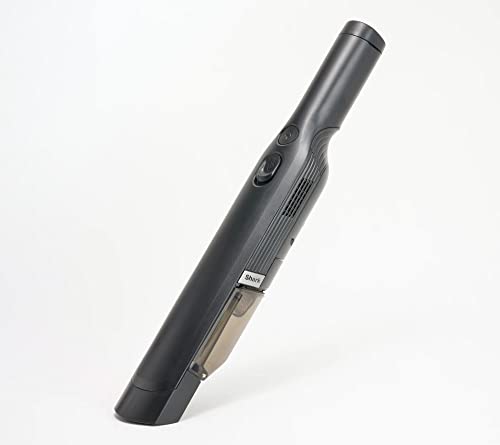
Cordless vacuums eliminate cord hassle that adds time and friction to cleaning sessions. The convenience encourages more frequent use.
Keep vacuum charged and ready. Dead battery when you have time to clean discourages future cleaning impulse.
Vehicle-stored vacuum enables cleaning opportunities whenever few minutes appear. Waiting in parking lots becomes cleaning opportunity.
Reducing barriers between deciding to clean and actually cleaning increases cleaning frequency.
Minimizing Setup and Cleanup Time
Time spent preparing and finishing eats into effective cleaning time.
Cordless vacuum with easy-access container minimizes pre-cleaning preparation. Pick up and start cleaning without setup ritual.
Empty container after each use so vacuum is ready for next session. Few seconds after cleaning beats wasted time at start of next session.
Store attachments with vacuum rather than separately. Hunting for attachments wastes time and discourages use.
Accept that quick sessions don't require special preparation. Don't let prep requirements prevent impromptu cleaning when time appears.
Quick post-cleaning wipe of vacuum prevents debris buildup that creates future maintenance burden.
Strategic Timing
Finding moments for quick cleaning without dedicating calendar time.
Waiting time during regular activities becomes cleaning opportunity. Waiting for kids, appointments, or services can include brief vehicle cleaning.
Gas station stops provide opportunity for quick floor mat shake-out. Brief attention during necessary stops maintains cleanliness.
Post-messy activity cleaning is more efficient than letting debris spread and settle. Clean immediately after beach trips, sporting events, or food transport.
Weekend mornings often offer few minutes before scheduled activities. Brief maintenance session starts the week with clean vehicle.
Identifying recurring time windows enables consistent cleaning without special scheduling.
Prevention Strategies
Preventing contamination reduces cleaning required to maintain standards.
Floor mats catch debris that would otherwise reach carpet. Quality mats that trap debris reduce vacuuming needs.
Trash management prevents accumulation. Small trash container emptied regularly beats picking up scattered debris.
Food and drink policies reduce spill and crumb contamination. What doesn't enter the vehicle doesn't need cleaning.
Regular mat shaking even without vacuuming removes debris that mats have captured before it spreads.
Prevention investment pays back in reduced cleaning time ongoing.
Efficient Technique for Quick Sessions
Maximizing results from limited cleaning time requires efficient approach.
Work systematically even in quick sessions. Random cleaning misses spots and wastes time backtracking.
Use appropriate attachment without time-consuming switching. Crevice tool handles most quick cleaning needs adequately.
Focus on debris capture rather than perfect technique. Quick sessions aim for visible improvement, not deep cleaning results.
Skip embedded debris that requires extra time. Quick cleaning addresses loose surface debris; save embedded debris for thorough sessions.
Accept quick-session limitations rather than trying to accomplish deep cleaning in insufficient time.
Balancing Quick and Thorough Cleaning
Quick sessions work alongside occasional thorough cleaning, not as replacement.
Weekly quick sessions maintain acceptable cleanliness. Monthly or quarterly thorough sessions address what quick cleaning misses.
Quick sessions prevent accumulation that makes thorough sessions necessary more frequently.
Schedule thorough sessions in advance. Blocked calendar time ensures deep cleaning happens rather than perpetually postponing.
Professional detailing once or twice yearly supplements personal cleaning. Let professionals handle deep cleaning that you don't have time for.
Balance maintains standards while respecting time constraints.
Related Articles
Explore more car vacuum guides and reviews:
- Best Cordless Car Vacuums Under $100
- Corded vs Cordless Car Vacuums: Which Type is Right for You?
- ThisWorx Car Vacuum Review
- How to Vacuum Car Seats Properly
Frequently Asked Questions
How often should busy people vacuum their cars?
Weekly five-minute quick sessions maintain acceptable cleanliness for most situations. More frequent brief attention may be needed with heavy use or kids. The key is consistency rather than duration; regular quick sessions outperform sporadic long sessions.
Can quick vacuuming really keep my car clean?
Quick regular cleaning maintains cleanliness by preventing accumulation. It won't achieve deep-clean results but keeps vehicles at acceptable standard between thorough sessions. Consistency matters more than session length for maintenance cleaning.
What's the fastest way to vacuum a car?
Focus on visible high-impact areas: driver floor, seats, and console. Skip hidden areas. Use one attachment throughout rather than switching. Accept that quick cleaning addresses obvious debris, not everything. Five minutes of focused work produces meaningful improvement.
Should I buy a vacuum that stays in my car?
Vehicle-stored vacuum enables cleaning whenever time appears. Compact cordless vacuums designed for vehicle storage make this practical. If cleaning opportunities arise during waiting time, vehicle storage maximizes those opportunities.
What areas matter most for quick cleaning?
Driver footwell and seat affect impression most since they're most visible. Console cup holders accumulate noticeable debris. Focus limited time on these high-visibility areas; let less visible areas wait for thorough cleaning.
How do I prevent needing to vacuum as often?
Quality floor mats capture debris before it reaches carpet. Consistent trash management prevents accumulation. Limiting food and drink in vehicles reduces contamination. Regular mat shaking removes captured debris even without vacuuming.
Is a cordless vacuum worth it for quick cleaning?
Cordless vacuums significantly reduce friction in the cleaning process. No cord management, quick start, and portable operation encourage more frequent use. For busy people, the convenience often justifies the investment.
When should I do thorough cleaning instead of quick cleaning?
Schedule thorough cleaning monthly or quarterly depending on use intensity. Quick cleaning maintains between thorough sessions but doesn't address embedded debris or hidden accumulation. Plan thorough sessions as separate calendar events.
What if I only have two minutes?
Shake floor mats and quickly vacuum driver floor area. Two minutes of focused attention on highest-impact area still provides meaningful improvement. Something beats nothing when time is extremely limited.
Should I pay for detailing instead of vacuuming myself?
Professional detailing once or twice yearly supplements personal maintenance well. Professionals provide thorough deep cleaning that busy people struggle to accomplish. Combine regular quick personal cleaning with occasional professional service for best results.