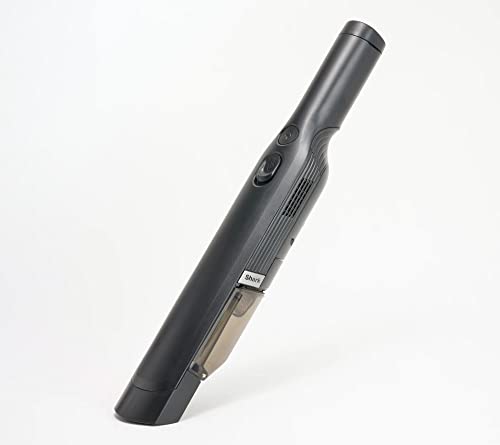
Battery longevity significantly affects the value and usability of cordless car vacuums. The convenience that makes cordless operation appealing depends entirely on batteries maintaining adequate capacity over time. Batteries that degrade quickly transform convenient cordless vacuums into frustrating short-runtime tools or expensive replacement purchases. Understanding what affects battery lifespan and how to maximize it protects your investment and maintains the convenience that justified cordless choice.

Battery degradation is inevitable but not uncontrollable. How batteries are charged, discharged, stored, and used all affect how quickly capacity declines. Some degradation factors are inherent to battery chemistry; others result from user behavior that can be modified. Applying battery-friendly practices from the start of ownership extends useful battery life significantly compared to uninformed use that accelerates degradation unnecessarily.
This guide covers battery life maximization strategies for cordless car vacuums, explaining both the science behind battery degradation and practical steps to extend useful battery lifespan.
Key Takeaways
- Avoid complete discharge when possible: Deep discharge stresses lithium-ion batteries
- Temperature extremes accelerate degradation: Store and charge at moderate temperatures
- Storage charge level matters: Partial charge is better than full for storage
- Charger quality affects battery health: Use manufacturer-specified chargers
- Regular use maintains battery health: Occasional use with proper storage beats extended neglect
Table of Contents
Understanding Battery Degradation
Knowing why batteries degrade helps understand which behaviors accelerate or slow the process.
Lithium-ion batteries lose capacity through chemical changes that occur during charge cycles and with calendar age. This degradation is fundamental to battery chemistry and cannot be completely prevented.
Deep discharge cycles stress batteries more than partial cycles. Fully depleting batteries repeatedly accelerates capacity loss compared to stopping use before complete discharge.
High temperatures accelerate chemical degradation. Heat during charging, use, or storage speeds the reactions that reduce battery capacity.
Calendar aging occurs even without use. Batteries lose capacity over time regardless of usage; proper storage slows but doesn't stop this process.
Charge cycles accumulate with use. Each cycle represents capacity used and recharged; more cycles eventually mean more degradation.
Optimal Charging Practices
How you charge significantly affects long-term battery health.
Charge before complete discharge when practical. Stopping use at 20-30% remaining and recharging stresses batteries less than running to zero.
Don't leave batteries on charger indefinitely after full charge. While most modern chargers manage this, removing from charger after charging completes is best practice.
Charge at room temperature. Cold batteries don't accept charge efficiently; hot batteries experience accelerated degradation during charging.
Allow cooling after heavy use before charging. Batteries that are warm from use should reach room temperature before charging begins.
Use manufacturer-provided charger. Third-party chargers may not manage charging profile appropriately for your specific battery chemistry.
Storage Guidelines
How batteries are stored during non-use periods affects degradation rate.
Store at partial charge, ideally 40-60% for extended storage periods. Full charge storage accelerates certain degradation mechanisms.
Store in moderate temperature environment. Room temperature is ideal; hot garages or cold sheds accelerate degradation.
Avoid vehicle storage during temperature extremes. Summer and winter vehicle temperatures exceed safe storage ranges for batteries.
Periodic use during storage prevents issues from extended non-use. Monthly use with recharging to storage level maintains battery health better than months of complete inactivity.
Check stored batteries periodically. Batteries that self-discharge below certain levels may be damaged; maintain minimum charge.
Temperature Management
Temperature is the most impactful environmental factor for battery health.
Operating in extreme temperatures reduces both performance and battery life. Hot and cold both affect batteries negatively through different mechanisms.
High temperature during charging is particularly damaging. Never charge batteries that are already hot from use or environmental exposure.
Cold operation reduces available capacity temporarily but doesn't cause permanent damage if batteries aren't forced to operate when too cold.
Vehicle storage during summer subjects batteries to temperatures that accelerate degradation significantly. Bring cordless vacuum indoors if possible.
Allow batteries to reach moderate temperature before charging or heavy use. Temperature conditioning improves both performance and longevity.
Usage Pattern Considerations
How vacuum is used affects battery wear and longevity.
Shorter, more frequent cleaning sessions may preserve battery better than occasional long sessions that deeply discharge batteries.
Using appropriate power settings when available reduces battery stress. Maximum power when unnecessary accelerates wear.
Complete cleaning in single session when possible rather than partial cleaning requiring multiple charge cycles.
High-load operation like extended brush roll use draws more current and generates more heat, increasing battery stress.
Balance between adequate cleaning and battery preservation. Battery longevity shouldn't prevent effective cleaning, but unnecessary stress should be avoided.
Recognizing Battery Degradation
Understanding degradation signs helps anticipate replacement needs.
Runtime decline is primary degradation indicator. Batteries that provided 20 minutes initially now providing 10 minutes show significant capacity loss.
Faster discharge rate during use indicates reduced capacity. Vacuum dying sooner despite similar use patterns signals battery decline.
Reduced suction at full charge may indicate battery cannot deliver rated power despite showing full charge.
Longer charge times or unusual charging behavior may indicate battery issues beyond normal capacity decline.
Compare current performance to original capability. Track performance over time to identify gradual decline that might otherwise go unnoticed.
Battery Replacement Considerations
Eventually batteries need replacement regardless of care.
Evaluate replacement availability before purchase. Some vacuums have easily replaced batteries; others are essentially disposable when batteries fail.
Replacement battery cost affects total ownership cost. Expensive replacement batteries increase effective vacuum cost over time.
Third-party replacement batteries may be available at lower cost. Quality varies; research specific options before purchasing non-manufacturer batteries.
DIY replacement feasibility depends on vacuum design. Some replacements are user-simple; others require technical skill or professional service.
Consider vacuum replacement versus battery replacement. If vacuum is near end of useful life anyway, battery replacement may not be worthwhile.
Environmental Factors
Environmental conditions beyond temperature affect battery performance.
Humidity doesn't directly affect lithium-ion batteries but may affect charging connections or vacuum electronics.
Clean battery contacts ensure proper charging. Debris on contacts may cause charging issues interpreted as battery problems.
Protect batteries from physical impact. Damage to battery cells can cause safety issues beyond performance decline.
Keep batteries clean and dry. While modern batteries have protection, unnecessary exposure to moisture isn't advisable.
Store away from flammable materials. While lithium-ion battery fires are rare, proper storage minimizes risk.
Related Articles
Explore more car vacuum guides and reviews:
- How Long Do Car Vacuum Batteries Last?
- Best Cordless Car Vacuums Under $100
- Corded vs Cordless Car Vacuums: Which Type is Right for You?
- How to Vacuum Car Seats Properly
Frequently Asked Questions
How long should cordless vacuum batteries last?
Quality lithium-ion batteries typically maintain useful capacity for 2-4 years or 300-500 charge cycles with proper care. Actual lifespan depends on usage patterns, charging habits, and storage conditions. Poor care can significantly shorten lifespan.
Should I fully discharge my vacuum battery before recharging?
No. Unlike older battery types, lithium-ion batteries prefer partial discharge cycles. Charging at 20-30% remaining capacity rather than complete discharge extends battery lifespan significantly.
Can I leave my cordless vacuum on the charger?
Most modern chargers manage this safely, but removing from charger after charging completes is best practice for long-term battery health. Extended storage on charger isn't recommended.
Why does my vacuum battery drain faster now?
Battery capacity naturally declines with use and age. If decline seems excessive, factors like temperature exposure, deep discharge habits, or defective battery may be involved. Compare to expected lifespan for your vacuum model.
Is it bad to store my cordless vacuum in my car?
Vehicle temperature extremes can damage batteries. Summer heat is particularly harmful. If vehicle storage is necessary, understand that battery lifespan will likely be reduced compared to moderate temperature storage.
How should I store my vacuum for long periods?
Store at 40-60% charge in moderate temperature environment. Check and recharge periodically during extended storage to prevent over-discharge. Complete discharge during storage can permanently damage batteries.
Does using higher power settings affect battery life?
Higher power settings draw more current and generate more heat, which can increase battery stress. Using appropriate settings for cleaning needs rather than always maximum may help preserve battery health.
Can I replace my cordless vacuum battery myself?
Depends on vacuum design. Some have user-replaceable batteries; others require tools or professional service. Check your specific model. Replacement battery availability and cost vary significantly between brands.
Why does my battery perform worse in cold weather?
Cold reduces chemical reaction rates in batteries, temporarily reducing available capacity. Performance usually returns to normal at moderate temperatures. Cold exposure doesn't cause permanent damage if batteries aren't forced to operate when extremely cold.
Should I buy a vacuum with removable batteries?
Removable batteries enable easier replacement and potentially carrying spare batteries for extended runtime. This feature adds long-term value by enabling battery replacement when capacity declines significantly.