Battery technology significantly affects cordless car vacuum performance, runtime, and longevity. The two primary battery types found in cordless vacuums, lithium-ion and nickel-metal hydride, have distinct characteristics that influence how well they serve car cleaning applications. Understanding these differences helps evaluate cordless vacuum options and manage expectations about performance throughout battery lifespan. What works well for one user's needs may prove inadequate for another's, making informed battery technology selection important for satisfaction with cordless vacuum purchases.

Both battery technologies have matured over decades of development and each has legitimate advantages in specific applications. Neither is universally superior; the best choice depends on how you use your vacuum, how much runtime you need, how you'll store the vacuum between uses, and what trade-offs matter most for your situation. Marketing claims emphasize different advantages depending on which technology a manufacturer uses, making independent understanding of the technologies valuable for cutting through promotional messaging.
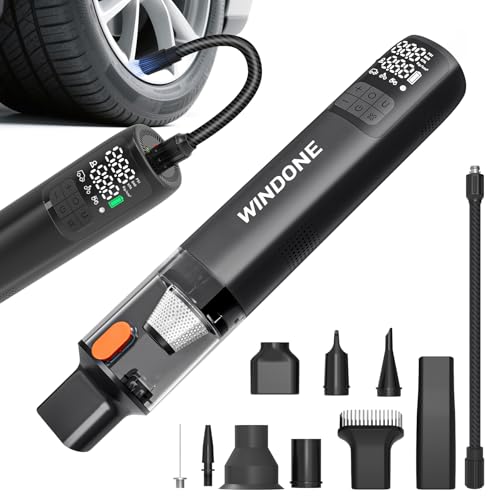
This guide compares lithium-ion and NiMH batteries in cordless car vacuums, explaining how each technology affects vacuum performance and helping you understand which characteristics matter for your car cleaning needs.
Key Takeaways
- Lithium-ion provides consistent power until discharge: Performance remains steady rather than gradually declining
- NiMH tolerates more temperature variation: Better performance in temperature extremes
- Lithium-ion offers superior energy density: More power from lighter, smaller batteries
- NiMH typically costs less: Lower initial cost for similar capacity
- Both technologies have finite lifecycles: Neither lasts indefinitely; replacement is eventual necessity
Table of Contents
- Understanding Lithium-Ion Characteristics
- Understanding NiMH Characteristics
- Performance Comparison for Car Vacuuming
- Lifespan and Longevity Considerations
- Charging Behavior and Convenience
- Temperature Sensitivity
- Making the Right Choice for Your Needs
- Maintenance for Maximum Lifespan
- Related Articles
- Frequently Asked Questions
Understanding Lithium-Ion Characteristics
Lithium-ion batteries dominate modern cordless vacuum design due to several performance advantages.
Consistent power output throughout discharge cycle is a primary lithium-ion advantage. These batteries maintain voltage until nearly depleted, providing consistent suction rather than gradually declining performance.
High energy density means more power from less weight and size. Lithium-ion batteries can power demanding vacuum motors while keeping overall vacuum weight manageable.
No memory effect means partial charging doesn't affect capacity. You can charge lithium-ion batteries regardless of current charge level without developing reduced capacity.
Self-discharge rate is relatively low. Lithium-ion batteries retain charge during storage better than older battery technologies, staying ready for use after sitting unused.
Charge time is typically faster than NiMH for equivalent capacity. Lithium-ion cells accept charge efficiently, reducing wait time between uses.
Understanding NiMH Characteristics
Nickel-metal hydride batteries offer different characteristics that may suit certain applications.
Temperature tolerance is generally better than lithium-ion. NiMH batteries perform more consistently across temperature ranges and tolerate temperature extremes better.
Cost is typically lower than lithium-ion for similar capacity. Budget-conscious buyers may find NiMH vacuums offer better value despite performance differences.
Environmental concerns differ between technologies. NiMH contains less problematic materials than some lithium-ion formulations, though both require proper recycling.
Power output declines gradually as charge depletes. Rather than consistent then sudden dropoff, NiMH provides gradually declining performance as batteries discharge.
Memory effect, while reduced in modern NiMH, can still affect capacity if batteries are repeatedly partially charged. Occasional full discharge cycles help maintain capacity.
Performance Comparison for Car Vacuuming
How these differences translate to practical car vacuum performance.
Runtime consistency matters for thorough cleaning sessions. Lithium-ion's consistent output means predictable performance throughout cleaning; NiMH's declining output may mean weaker suction as session progresses.
Weight affects ergonomics for handheld vacuums. Lithium-ion's energy density advantage enables lighter vacuums with equivalent runtime, reducing fatigue during extended cleaning.
Temperature during storage in vehicles affects both technologies. Hot summer vehicles stress batteries; cold winter vehicles reduce available capacity. NiMH generally tolerates these conditions better.
Charge readiness after storage periods varies. Lithium-ion's lower self-discharge means vacuums stored in vehicles are more likely to be ready when needed.
Sudden versus gradual performance decline affects user experience. Some prefer knowing exactly when vacuum will stop; others prefer gradual warning of depleting charge.
Lifespan and Longevity Considerations
Both battery technologies degrade over time, but in different patterns and timeframes.
Lithium-ion lifespan is typically measured in charge cycles and calendar age. Both factors contribute to capacity decline; batteries age even if unused.
NiMH lifespan depends more on charge cycles than calendar age. Properly maintained NiMH batteries may outlast lithium-ion in terms of total cycles.
Deep discharge affects technologies differently. Lithium-ion should not be fully depleted; NiMH benefits from occasional full discharge to prevent memory effect.
Storage conditions affect longevity. Both technologies have optimal storage charge levels and temperature ranges that affect how well capacity is maintained.
Replacement availability varies by vacuum model and brand. Some vacuums have user-replaceable batteries; others require service or are essentially disposable when batteries fail.
Charging Behavior and Convenience
How each technology charges affects daily use convenience.
Lithium-ion charges faster per unit capacity than NiMH. For equivalent runtime, lithium-ion reaches full charge sooner.
NiMH requires different charging approach than lithium-ion. Chargers are not interchangeable; using wrong charger type can damage batteries.
Partial charging works well for lithium-ion without capacity penalty. NiMH benefits from full charge-discharge cycles for capacity maintenance.
Trickle charging after full charge affects technologies differently. Proper charger design manages this; improper charging can damage either battery type.
Ready-to-use after charging differs. Both should reach full capacity, but temperature equalization and settling may affect immediate performance.
Temperature Sensitivity
Temperature significantly affects battery performance and lifespan for both technologies.
Lithium-ion is sensitive to temperature extremes. High temperatures accelerate degradation; low temperatures reduce available capacity temporarily.
NiMH tolerates temperature variation better but isn't immune to extremes. Performance still declines in very cold or hot conditions.
Charging temperature requirements differ. Both should be charged at moderate temperatures; charging in extreme conditions can damage batteries.
Vehicle storage exposes batteries to temperature extremes. Summer vehicles can exceed temperatures that damage lithium-ion; winter vehicles may be too cold for optimal performance.
Conditioning before use helps performance. Allowing batteries to reach moderate temperature before heavy use improves performance for both types.
Making the Right Choice for Your Needs
Evaluating which technology suits your specific car cleaning situation.
Frequent, regular use favors lithium-ion's consistent performance and faster recharge. The premium cost amortizes well over active use.
Occasional use may favor NiMH's lower cost, though lithium-ion's lower self-discharge means better readiness after storage.
Vehicle storage conditions matter significantly. If vacuum will live in vehicle, consider how temperature extremes affect battery technology choice.
Budget constraints may make NiMH more attractive. Lower initial cost provides acceptable performance for many users' needs.
Weight sensitivity for handheld operation favors lithium-ion's energy density advantage. Those with strength or endurance limitations benefit from lighter equipment.
Maintenance for Maximum Lifespan
Proper care extends useful life for either battery technology.
Follow manufacturer charging guidelines. Both technologies have optimal charging practices that vary by specific implementation.
Store at appropriate charge levels. Lithium-ion stores best at partial charge; NiMH can store at full charge without degradation.
Avoid temperature extremes when possible. Even tolerant technologies degrade faster under thermal stress.
Use vacuum regularly rather than leaving it for extended periods. Occasional use helps maintain battery health better than long storage followed by intensive use.
Clean battery contacts periodically. Good electrical connection ensures efficient charging and discharge.
Related Articles
Explore more car vacuum guides and reviews:
- How Long Do Car Vacuum Batteries Last?
- Corded vs Cordless Car Vacuums: Which Type is Right for You?
- ThisWorx Car Vacuum Review
- How to Vacuum Car Seats Properly
Frequently Asked Questions
Which battery type is better for cordless car vacuums?
Lithium-ion provides better performance consistency, lighter weight, and faster charging, making it generally preferable for car vacuum applications. However, NiMH offers better temperature tolerance and lower cost that may suit certain situations and budgets.
Why do lithium-ion vacuum batteries cost more?
Lithium-ion technology requires more expensive materials and manufacturing processes than NiMH. The premium reflects real cost differences plus the performance advantages that command market premium.
How long do cordless car vacuum batteries last?
Typical lifespan ranges from 2-5 years depending on use intensity, care, and specific technology. Lithium-ion degrades with calendar age even unused; NiMH depends more on cycle count. Both eventually require replacement.
Can I leave my cordless vacuum on the charger all the time?
Modern chargers are designed to manage battery health during extended charging. However, storing at full charge accelerates some degradation. Manufacturer recommendations vary; follow specific guidance for your vacuum.
Why does my cordless vacuum lose power as the battery drains?
NiMH batteries naturally decline in voltage as they discharge, reducing power delivery. Lithium-ion maintains more consistent voltage until nearly depleted. If your lithium-ion vacuum loses power gradually, battery degradation may be occurring.
Should I store my cordless vacuum in my car?
Vehicle temperature extremes stress batteries, particularly lithium-ion in hot conditions. If you must store in vehicle, expect reduced battery lifespan. NiMH tolerates vehicle storage somewhat better but still experiences stress.
How do I know when to replace my vacuum battery?
Significantly reduced runtime and performance indicate battery degradation. When fully charged vacuum provides notably less cleaning time or weaker suction than when new, battery replacement may be needed.
Can I upgrade my NiMH vacuum to lithium-ion?
Generally no. Battery types require different charging systems and voltage characteristics. Using incompatible batteries is dangerous and typically not possible without vacuum redesign.
Does fast charging damage vacuum batteries?
Manufacturer-designed fast charging systems account for battery chemistry and include protections against damage. Third-party chargers or improper use may damage batteries. Use included chargers as designed.
Are lithium-ion batteries safe in cordless vacuums?
Quality lithium-ion batteries with proper protection circuits are safe for consumer use. Reputable vacuum manufacturers include appropriate safety features. Damaged or counterfeit batteries pose risks; use manufacturer-specified replacements.


