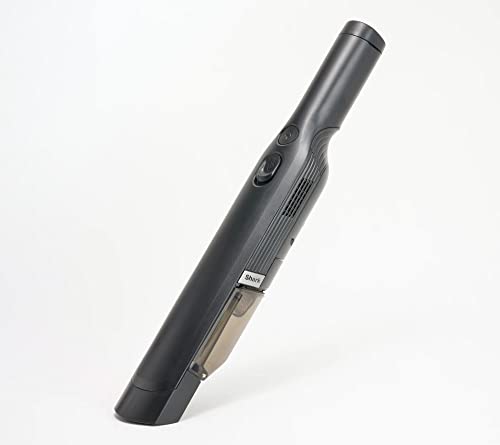
Vacuuming frequency recommendations range from daily to monthly depending on who you ask and what standards they apply. The truth is that appropriate cleaning frequency depends entirely on your specific situation. How often you use your vehicle, what activities bring debris into it, whether you have passengers who create mess, and your personal tolerance for untidiness all affect what frequency makes sense for you. Generic recommendations fail because they can't account for the wide variation in how people use and experience their vehicles.

Finding your appropriate vacuuming frequency involves balancing cleanliness goals against realistic time investment. Cleaning more often than necessary wastes time; cleaning less often than needed allows accumulation that makes eventual cleaning harder and may damage interior materials. The right frequency is one you can sustain consistently while maintaining the cleanliness level you want. This is personal and practical rather than following arbitrary rules.

This guide helps you determine appropriate vacuuming frequency for your specific situation, considering the factors that affect how quickly interiors get dirty and what maintenance level makes sense for different circumstances.
Key Takeaways
- Frequency should match your specific circumstances: No universal right answer exists
- Weekly light cleaning prevents heavy accumulation: Regular maintenance is more effective than intensive occasional cleaning
- High-debris activities warrant increased frequency: Adjust based on what enters your vehicle
- Consistency matters more than specific interval: Sustainable routine beats perfect schedule
- Seasonal variation may be appropriate: Different times of year bring different debris challenges
Table of Contents
- Factors Affecting Cleaning Frequency
- Frequency Guidelines by Situation
- Light Maintenance Versus Thorough Cleaning
- Seasonal Considerations
- Signs You Need to Clean More Often
- Signs You Could Clean Less Often
- Building Sustainable Routine
- Special Situations Requiring Adjustment
- Related Articles
- Frequently Asked Questions
Factors Affecting Cleaning Frequency
Understanding what makes cars dirty helps determine how often cleaning is needed.
Usage intensity directly affects debris accumulation. Daily commuters accumulate debris faster than occasional drivers; the more time spent in vehicle, the more debris enters.
Passenger patterns matter significantly. Solo drivers generate less mess than those transporting children, groups, or messy passengers.
Pet transport creates accelerated cleaning needs. Pet hair and dander accumulate rapidly; pet owners typically need more frequent cleaning.
Activity type influences debris volume. Beach trips, outdoor activities, sports, and work that involves dirt or materials all introduce debris beyond normal use.
Environmental conditions affect baseline accumulation. Dusty areas, unpaved roads, and polluted environments bring more debris than cleaner conditions.
Frequency Guidelines by Situation
General guidelines help establish starting points to adjust based on experience.
Light use with minimal debris sources may require only monthly thorough cleaning with occasional spot attention. Solo drivers in clean environments often fit this category.
Normal use with typical debris benefits from bi-weekly maintenance cleaning with monthly thorough sessions. Most daily commuters without unusual debris sources fit here.
Heavy use or high debris situations warrant weekly attention. Families with children, pet owners, and those with messy activities need more frequent cleaning.
Extreme situations may need even more frequent attention. Very heavy pet shedding, daily beach visits, or construction-related work may require cleaning after each exposure.
These guidelines are starting points; adjust based on your actual experience and satisfaction with results.
Light Maintenance Versus Thorough Cleaning
Distinguishing between quick maintenance and thorough cleaning helps establish realistic routines.
Light maintenance takes 5-10 minutes and addresses obvious debris accumulation. Quick vacuuming of driver area, seat surfaces, and visible debris maintains acceptable cleanliness.
Thorough cleaning takes 30-60 minutes and addresses complete interior including crevices, under seats, and all surfaces. This more intensive session handles what quick maintenance misses.
Combining frequent light maintenance with less frequent thorough cleaning often provides best balance. Weekly quick clean with monthly thorough session works for many users.
Adjust the balance based on your needs. Some prefer less frequent but always thorough cleaning; others prefer more frequent light attention.
Sustainability matters most. A routine you'll actually follow beats an ideal routine you'll abandon.
Seasonal Considerations
Different seasons bring different debris challenges affecting appropriate frequency.
Spring pollen season may warrant increased frequency for allergy sufferers. Pollen accumulates on all surfaces and benefits from regular removal.
Summer vacation activities often bring sand, beach debris, and outdoor contamination requiring more attention during active season.
Fall leaf debris and tracked-in material may increase cleaning needs in areas with deciduous trees.
Winter salt, sand, and slush tracked from shoes can be substantial. Wet debris may need more attention to prevent moisture problems.
Adjust baseline frequency up or down based on seasonal conditions rather than maintaining fixed schedule year-round.
Signs You Need to Clean More Often
Indicators that current frequency isn't meeting your needs.
Visible debris accumulation between cleaning sessions suggests more frequent attention would help.
Odors developing indicate debris or moisture problems that more frequent cleaning would prevent.
Embedded debris requiring intensive effort to remove suggests cleaning before such embedding occurs.
Dissatisfaction with cleanliness level means current frequency isn't achieving your standards.
Allergic reactions or respiratory symptoms during car use may indicate particle accumulation needing more attention.
Signs You Could Clean Less Often
Indicators that current frequency may exceed actual needs.
Minimal debris collected during cleaning sessions suggests vehicle isn't getting dirty as quickly as cleaning frequency assumes.
Cleaning feels like unnecessary chore because vehicle already seems clean indicates opportunity to reduce frequency.
Time pressure making current frequency unsustainable suggests finding less demanding routine.
Burnout leading to skipped sessions means overly ambitious schedule needs adjustment to sustainable level.
No difference in satisfaction between more and less frequent periods indicates lower frequency is adequate.
Building Sustainable Routine
Creating routine you'll actually follow matters more than optimal frequency you won't maintain.
Tie cleaning to existing routines. After weekly grocery shopping, during regular car wash visits, or Sunday maintenance time creates natural triggers.
Keep equipment accessible to reduce friction. Vacuum that's easy to grab gets used; vacuum requiring special retrieval doesn't.
Accept good enough over perfect. Sustainable maintenance beating occasional intensive sessions means accepting less-than-perfect outcomes.
Adjust based on results and satisfaction. Experiment with frequency to find what maintains acceptable cleanliness without excessive effort.
Be realistic about your commitment level. Promise yourself only what you'll actually deliver.
Special Situations Requiring Adjustment
Circumstances that warrant temporarily increased attention.
After messy events, clean promptly before debris sets in or spreads. Beach trips, muddy activities, and spills benefit from immediate attention.
Before important uses, ensure clean interior. Job interviews, dates, or passenger transport may warrant pre-event cleaning.
During health situations, more frequent cleaning may reduce allergen or germ exposure.
When selling vehicle, intensive cleaning to maximum standard differs from maintenance cleaning.
Seasonal transitions may warrant thorough cleaning before different debris patterns begin.
Related Articles
Explore more car vacuum guides and reviews:
- Best Cordless Car Vacuums Under $100
- Corded vs Cordless Car Vacuums: Which Type is Right for You?
- ThisWorx Car Vacuum Review
- How to Vacuum Car Seats Properly
Frequently Asked Questions
How often should I vacuum my car?
Frequency depends on your usage, passengers, activities, and cleanliness standards. Light use may need only monthly cleaning; daily use with children or pets may need weekly attention. Find frequency that maintains your acceptable cleanliness level sustainably.
Is weekly car vacuuming necessary?
For many users, weekly quick maintenance combined with less frequent thorough cleaning works well. Whether weekly is necessary for you depends on how quickly your car accumulates debris based on your usage patterns.
Can I vacuum my car too often?
From equipment perspective, no. From practical perspective, time spent cleaning beyond what maintains adequate cleanliness is time you could use elsewhere. If cleaning sessions find minimal debris, you're cleaning more than needed.
Why does my car get dirty so fast after vacuuming?
Debris continuously enters from shoes, air, and activities. Crevices with remaining debris redistribute material. Cleaning removes accumulated debris but doesn't prevent new accumulation. This is normal, not indication of cleaning failure.
Should I vacuum more often in summer or winter?
Depends on your activities and environment. Summer may bring more recreational debris; winter may bring more tracked salt and moisture. Adjust frequency based on actual debris accumulation rather than season alone.
How often do professionals recommend cleaning?
Professional recommendations vary but typically suggest weekly light cleaning with monthly thorough sessions for average use. Professionals acknowledge frequency should adjust based on individual circumstances and needs.
Does skipping cleaning cause permanent damage?
Embedded debris can become harder to remove over time and may cause wear on carpet and upholstery. Moisture left uncleaned can develop mold or odor problems. Regular cleaning prevents issues more effectively than remediation after problems develop.
What's the minimum vacuuming frequency?
Monthly thorough cleaning is reasonable minimum for typical use to prevent excessive accumulation. Less frequent cleaning risks embedded debris and potential odor or damage issues. Even infrequent drivers should clean at least monthly.
Should I clean my car before or after trips?
Before trips ensures pleasant travel experience. After trips addresses debris brought in during travel. Both have value; cleaning after trips prevents debris from setting in while you're not using vehicle.
How do I know if I'm vacuuming often enough?
If cleaning sessions require extensive effort to address heavy accumulation, more frequent cleaning would help. If you're satisfied with cleanliness between sessions and cleaning is manageable, current frequency is appropriate.