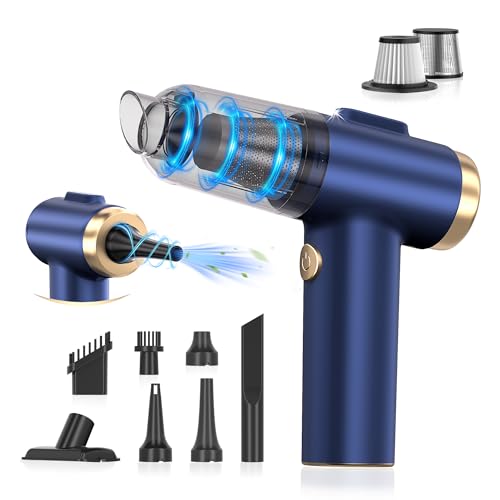
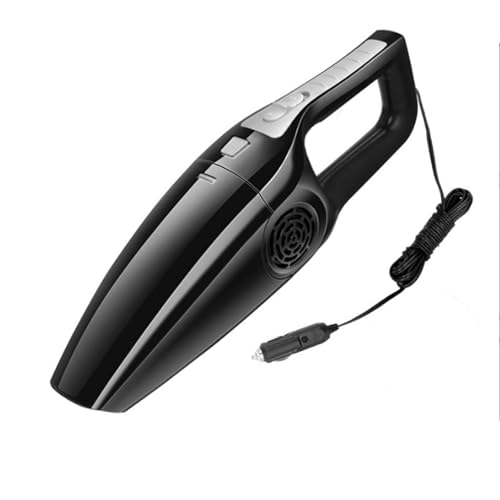
The choice between corded and cordless car vacuums represents one of the fundamental decisions in car cleaning equipment selection. Each approach offers distinct advantages while accepting different trade-offs. Corded vacuums provide unlimited runtime and often stronger suction, but require access to power outlets and involve cord management during use. Cordless vacuums offer freedom of movement and convenience, but impose battery runtime limits and typically require periodic recharging. Understanding these trade-offs in context of your specific situation enables choosing the approach that better serves your car cleaning needs.

Neither option is universally superior; the better choice depends on where you clean, how long cleaning takes, and what trade-offs you find acceptable. Users with convenient outlet access near their cleaning location may find corded limitations irrelevant. Users who clean in locations without power access genuinely need cordless capability. Evaluating your actual circumstances rather than following general recommendations leads to choices that match your real-world needs.

This guide compares corded and cordless car vacuums, examining the practical implications of each approach for different car cleaning situations.
Key Takeaways
- Corded provides unlimited runtime: No battery limitation during cleaning sessions
- Cordless offers freedom of movement: No cord management or outlet dependency
- Power outlet access determines corded practicality: Corded requires convenient power availability
- Battery capacity affects cordless cleaning duration: Runtime must match your cleaning needs
- Best choice depends on your specific situation: No universal answer applies to all users
Table of Contents
- Corded Vacuum Advantages
- Corded Vacuum Limitations
- Cordless Vacuum Advantages
- Cordless Vacuum Limitations
- Evaluating Your Cleaning Location
- Runtime Requirements Assessment
- Power and Performance Considerations
- Cost Comparison
- Convenience Trade-Off
- Making Your Decision
- Related Articles
- Frequently Asked Questions
Corded Vacuum Advantages
Understanding what corded operation offers for car cleaning.
Unlimited runtime means cleaning sessions aren't constrained by battery capacity. Clean as long as needed without recharging concern.
Consistent power throughout cleaning session. No performance decline as batteries deplete; suction remains steady.
Often stronger suction than comparable cordless products. House current provides more power than batteries in many price ranges.
No battery degradation concern over ownership period. Corded vacuums don't lose capability due to battery aging.
Lower ongoing costs without battery replacement needs. Initial purchase is complete investment for operational lifespan.
Corded Vacuum Limitations
Trade-offs that come with corded operation.
Requires power outlet within cord reach of vehicle. Limited by outlet availability at cleaning location.
Cord management during use adds friction to cleaning process. Managing cord while maneuvering in vehicle takes attention.
Extension cords may be needed for adequate reach. Additional equipment and setup time for distant cleaning locations.
Less portable than cordless options. Moving between locations requires outlet availability at each.
Cord tangling and storage can be inconvenient. Managing cord for storage and preventing damage requires attention.
Cordless Vacuum Advantages
What battery-powered operation offers for car cleaning.
Freedom of movement without cord constraints. Clean anywhere without outlet dependency or cord management.
Grab-and-go convenience for quick cleaning sessions. No setup or connection required before cleaning.
Cleaning location flexibility enables use at various locations. Park, driveway, garage, or anywhere else without power concern.
Cord-free maneuvering simplifies work in confined vehicle interiors. No dragging cord through tight spaces.
Storage without cord management simplifies organization. Compact storage without coiling and managing cable.
Cordless Vacuum Limitations
Trade-offs that come with battery operation.
Runtime limited by battery capacity. Must complete cleaning within battery life or stop to recharge.
Recharge time between uses may limit cleaning frequency. Can't immediately resume after battery depletes.
Performance may decline as battery depletes. Some vacuums weaken toward end of battery charge.
Battery degradation over time reduces runtime. Batteries eventually need replacement or vacuum replacement.
Often less powerful than corded equivalents at similar price points. Battery and motor limitations affect available suction.
Evaluating Your Cleaning Location
Location factors that affect corded versus cordless practicality.
Garage cleaning with nearby outlets makes corded highly practical. Convenient power eliminates corded disadvantage.
Driveway cleaning may require extension cords. Distance from outlets affects corded practicality.
Parking lot or away-from-home cleaning requires cordless. No outlet access means corded isn't option.
Multiple cleaning locations favor cordless flexibility. Different locations with varying outlet access benefit from portability.
Consider where you actually clean rather than idealized scenarios.
Runtime Requirements Assessment
Understanding how long your cleaning takes affects cordless evaluation.
Quick cleanings of 10-15 minutes suit most cordless batteries. Brief maintenance cleaning fits cordless runtime.
Thorough cleanings of 30+ minutes may exceed cordless capacity. Extended sessions may require corded or multiple batteries.
Multiple vehicles in single session multiply runtime needs. Cleaning entire household fleet may exceed single battery.
Heavy debris increases cleaning time requirements. Challenging debris needs more passes and longer sessions.
Match expected cleaning duration to available cordless runtime or choose corded for extended sessions.
Power and Performance Considerations
How power source affects cleaning capability.
House current typically provides more available power than batteries. This often translates to stronger suction in corded products.
Premium cordless vacuums narrow the performance gap. High-end cordless can match or exceed budget corded performance.
Light cleaning tasks may not require maximum power. Moderate suction adequately handles typical car debris.
Challenging debris benefits from stronger suction. Embedded dirt and pet hair respond to more powerful extraction.
Consider your actual cleaning demands rather than pursuing maximum power unnecessarily.
Cost Comparison
Financial factors in corded versus cordless decision.
Initial cost often favors corded at similar capability levels. Battery technology adds to cordless product cost.
Long-term cost includes battery replacement for cordless. Batteries eventually need replacement, adding ongoing expense.
Corded vacuums typically have longer useful lifespan. No battery degradation means longer service life.
Premium cordless vacuums command significant price premiums. High-end cordless represents substantial investment.
Total cost of ownership over expected usage period provides better comparison than purchase price alone.
Convenience Trade-Off
Balancing ease of use factors.
Cordless wins on grab-and-go convenience. Instant availability for quick cleaning without setup.
Corded wins on worry-free extended use. No runtime concern during thorough cleaning sessions.
Cordless requires battery maintenance awareness. Monitor charge state, manage charging routine.
Corded requires outlet and cord management. Setup and cord handling add friction to use.
Different users weight these convenience factors differently based on personal priorities.
Making Your Decision
Framework for choosing between corded and cordless.
If cleaning location has convenient outlet access, corded remains viable. Outlet availability is primary corded requirement.
If you clean in various locations including away from home, cordless provides necessary flexibility.
If cleaning sessions typically exceed 20 minutes, verify cordless runtime is adequate or favor corded.
If grab-and-go convenience is priority, cordless aligns with this preference.
Match choice to your actual circumstances rather than following general recommendations.
Related Articles
Explore more car vacuum guides and reviews:
Frequently Asked Questions
Is corded or cordless better for car cleaning?
Depends on your situation. Corded offers unlimited runtime and often more power. Cordless offers convenience and location flexibility. Choose based on your cleaning location, session duration, and convenience priorities.
How long do cordless car vacuum batteries last?
Runtime varies by model, typically 10-30 minutes. Battery lifespan over ownership usually 2-4 years before significant degradation. Verify specific model runtime meets your cleaning duration needs.
Is cordless suction as strong as corded?
Generally no at similar price points. House current provides more power than batteries. Premium cordless vacuums narrow the gap but typically cost significantly more than comparable corded options.
Can I use a corded vacuum in my driveway?
Yes, with adequate extension cord. Verify extension cord rating matches vacuum power requirements. Cord management outdoors adds complexity but corded driveway use is practical with preparation.
Do cordless car vacuums lose suction as battery drains?
Some do, some don't. Quality cordless vacuums maintain suction until battery depletes. Budget options may weaken as charge decreases. Check specific product reviews for this characteristic.
How often do cordless vacuum batteries need replacing?
Typically every 2-4 years depending on usage and care. Heavy use and poor charging habits accelerate degradation. Quality batteries maintained properly last longer.
Is corded car vacuum cheaper than cordless?
Generally yes at similar capability levels. Cordless technology adds cost. However, budget cordless options exist at low prices. Compare total cost including eventual battery replacement for accurate assessment.
Can I clean my whole car on one cordless battery charge?
Usually yes for typical cleaning sessions. 15-20 minute runtime handles most car cleaning. Very thorough cleaning or multiple vehicles may need longer runtime. Verify specific model runtime matches your needs.
What about 12V car-powered vacuums?
These provide corded-style unlimited runtime from vehicle power rather than outlet. Power is limited compared to house current but offers cord-free flexibility with unlimited runtime. Useful alternative for specific situations.
Should I buy cordless for convenience if I have garage outlet?
Personal preference. Cordless convenience may be worth it even with outlet access. If you value grab-and-go simplicity and runtime is adequate, cordless works fine. If you prefer never worrying about battery, corded remains practical choice.