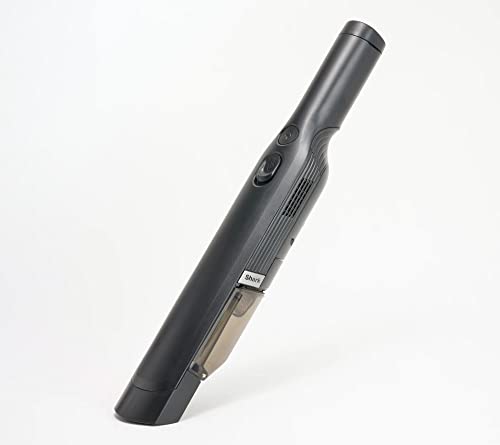
Choosing a car vacuum involves matching equipment capabilities to your specific cleaning needs, constraints, and preferences. The variety of available options makes selection seem complicated, but understanding what factors actually matter for your situation simplifies the decision. A vacuum perfect for one person may be wrong for another based on different vehicles, debris types, storage situations, and cleaning habits. The best vacuum is the one that fits your actual needs, not the one with the most features or highest specifications.

Effective selection requires honest assessment of how you'll actually use the vacuum, not idealized assumptions about how you should use it. Someone who cleans briefly and frequently has different needs than someone who cleans thoroughly but rarely. Pet owners face different challenges than those without pets. Understanding your specific situation guides selection toward vacuums that will actually serve you well rather than impressive-seeming options that don't match your reality.

This guide walks through the decision process for selecting a car vacuum, covering the factors that matter and how to evaluate options against your actual needs.
Key Takeaways
- Assess your actual needs first: What you need should drive selection, not what's available
- Power source affects convenience: Corded versus cordless involves meaningful trade-offs
- Size and storage matter: Equipment must fit your storage situation
- Feature needs vary by situation: Match features to your specific challenges
- Budget should reflect expected use: Investment should match how much you'll use equipment
Table of Contents
Assessing Your Cleaning Needs
Start by understanding what you actually need from car vacuum cleaning.
How dirty does your car typically get? Heavy debris from kids, pets, outdoor activities, or work needs more capable equipment than light dust from normal commuting.
How often do you plan to clean? Frequent quick cleaning has different requirements than occasional thorough cleaning.
What specific debris challenges exist? Pet hair, sand, food crumbs, and general dust each respond to different vacuum characteristics.
Where will you clean? Garage with outlet access differs from apartment parking without power. Cleaning location affects power source choice.
How much time will you invest in cleaning? Quick sessions favor convenience features; thorough sessions favor capability features.
Power Source Decision
Corded versus cordless is fundamental choice affecting daily use experience.
Cordless vacuums offer convenience and flexibility. No cord management, clean anywhere including away from outlets, and quick grab-and-use operation suit many users.
Cordless limitations include runtime constraints and potentially less power than corded alternatives. Battery eventually needs replacement adding long-term cost.
Corded vacuums provide consistent power without runtime limits. Wall outlet access provides unlimited cleaning time at full power.
Corded limitations include outlet dependency and cord management hassle. Cleaning away from outlets requires extension cords.
12V vehicle-powered vacuums offer alternative but limited power. Convenience of vehicle power comes with suction limitations.
Size and Portability
Vacuum size affects storage, handling, and cleaning capability.
Handheld vacuums provide maximum portability and can be stored in vehicles. Size limitations affect container capacity and motor power.
Larger portable vacuums offer more capability but require separate storage. These may be kept in garage or home rather than vehicle.
Shop vacuums provide maximum power but significant size. Best for serious cleaning but impractical for vehicle storage.
Consider where vacuum will be stored. Equipment that doesn't fit your storage becomes inconvenient.
Weight matters for handheld use. Light vacuums are easier to maneuver; heavy vacuums may provide more power.
Suction and Cleaning Power
Adequate suction is essential for effective cleaning.
Specifications like Pa and AW indicate suction capability. Higher numbers generally indicate more powerful suction, though specifications aren't always directly comparable.
Match power to your debris challenges. Light dust needs less power than embedded sand or pet hair.
Cordless vacuums vary widely in power. Some approach corded performance; others provide minimal capability. Don't assume cordless means weak.
Sustained versus peak power matters. How vacuum performs throughout cleaning session, not just initially, determines practical capability.
User reviews often indicate real-world cleaning effectiveness better than specifications.
Filtration Requirements
Filtration needs depend on your sensitivity and priorities.
HEPA filtration captures fine particles that standard filters pass. Important for allergy sufferers; less critical for those without particle sensitivity.
Washable versus disposable filters affect ongoing costs. Washable filters save replacement expenses but require cleaning effort.
Filter maintenance ease varies. Easy-access filters encourage maintenance that maintains performance.
Consider what you're vacuuming. Pet dander, allergens, and fine dust benefit more from high-efficiency filtration than general debris.
Balance filtration quality against other needs. HEPA isn't necessary for everyone; don't prioritize it over more important factors if allergies aren't concern.
Attachments and Accessories
Included and available attachments affect what cleaning is practical.
Crevice tool is essential for car cleaning. Seams, gaps, and tight spaces throughout vehicle interiors require narrow tools.
Brush attachments help with certain surfaces and debris types. Useful for upholstery and delicate surfaces.
Motorized attachments provide powered agitation for embedded debris. Pet hair and deep carpet cleaning benefit from motorized tools.
Verify attachments actually fit your cleaning needs. Don't pay for extensive attachment sets you won't use.
Availability of replacement and additional attachments matters for long-term flexibility.
Build Quality and Durability
Construction quality affects how long equipment lasts and performs.
Build quality varies significantly between brands and price points. Quality construction typically costs more initially but lasts longer.
User reviews often reveal durability issues that specifications don't indicate. Research actual user experiences over time.
Warranty coverage indicates manufacturer confidence in durability. Longer warranty often signals better build quality.
Consider expected lifespan relative to price. Cheap vacuum replaced twice may cost more than quality vacuum lasting years.
Availability of replacement parts affects repairability versus disposability.
Budget Considerations
Appropriate budget depends on your needs and expected use.
Light, occasional use doesn't justify premium equipment investment. Budget options may adequately serve minimal needs.
Heavy, frequent use justifies quality investment. Equipment that performs better and lasts longer provides better value for active users.
Consider total cost of ownership beyond purchase price. Filter replacement, energy costs, and expected lifespan affect true cost.
Mid-range options often provide best value, offering meaningful capability improvement over budget models without premium pricing.
Match investment to actual commitment. Don't overspend on equipment that won't be used enough to justify investment.
Making Your Final Decision
Bringing considerations together for practical selection.
Prioritize factors that matter most for your specific situation. Not every consideration is equally important for every user.
Narrow options to few candidates meeting your key requirements. Then compare on secondary factors.
Read user reviews from people with similar situations. Their experiences predict yours better than marketing claims.
If possible, handle or test equipment before purchase. Physical experience reveals aspects specifications don't capture.
Remember that good enough for your needs beats perfect on paper. Practical fit matters more than optimal specifications.
Related Articles
Explore more car vacuum guides and reviews:
- Best Cordless Car Vacuums Under $100
- Corded vs Cordless Car Vacuums: Which Type is Right for You?
- ThisWorx Car Vacuum Review
- How to Vacuum Car Seats Properly
Frequently Asked Questions
Should I get a corded or cordless car vacuum?
Choose based on where you'll clean and how you value convenience versus power. Cordless suits cleaning away from outlets and quick convenience; corded suits longer sessions where outlet access exists. Neither is universally better.
How much should I spend on a car vacuum?
Match investment to expected use. Occasional light cleaning may be served by budget options under fifty dollars. Regular serious cleaning justifies one to two hundred dollar investment for better capability and durability.
What features matter most for pet owners?
Strong suction, motorized brush attachments for hair removal, HEPA filtration for dander capture, and anti-tangle brush design for reduced maintenance. Pet-specific features address challenges unique to pet debris.
Is a car-specific vacuum necessary?
Not always. Shop vacuums or household vacuums with appropriate attachments can clean cars effectively. Car-specific vacuums offer convenience features suited to automotive use but aren't the only option.
How important is suction power?
Important, but not the only factor. Adequate suction is essential; beyond adequate, other factors like attachments, convenience, and reliability may matter more. Match power to your debris challenges rather than maximizing specifications.
Do I need HEPA filtration?
If you have allergies or asthma, particularly to dust mites, pollen, or pet dander, HEPA filtration provides meaningful benefit. Without such sensitivities, standard filtration may be adequate.
What attachments are essential for car cleaning?
Crevice tool is essential for reaching seams and tight spaces. Brush attachment is useful for delicate surfaces. Specific needs may warrant motorized attachments or specialty tools, but crevice tool is the minimum requirement.
Should I store my vacuum in my car?
If you'll actually use it more with vehicle storage, yes. Accessibility encourages use. But vehicle temperature extremes may affect battery life in cordless vacuums. Consider your climate and parking situation.
How do I know if a vacuum will work for my needs?
Research user reviews from people with similar vehicles and cleaning challenges. Their experiences predict how vacuum will serve you better than manufacturer claims or specifications alone.
Are expensive vacuums worth the premium?
For heavy users who will utilize advanced features and benefit from better durability, premium vacuums often provide good value. For light, occasional use, premium investment may not be justified regardless of quality.