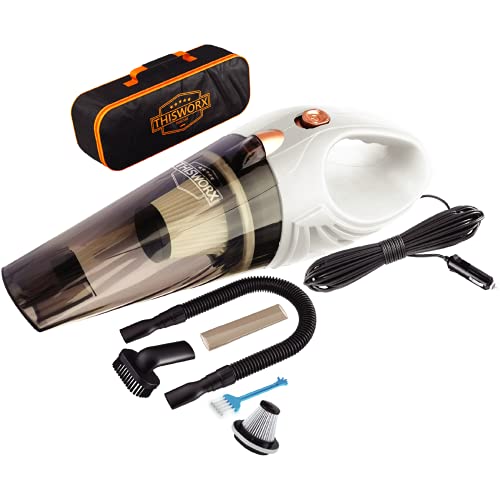
Suction power represents the most frequently cited vacuum specification yet one of the most misunderstood. Marketing materials emphasize impressive power numbers without explaining what they mean practically or whether more power actually improves cleaning results. Consumers comparing vacuums often assume higher suction numbers equal better performance without understanding that this relationship is more complex than specifications suggest.
The reality is that suction power matters—but not in the straightforward way that marketing implies. Different cleaning situations require different suction levels. More power helps with some debris types while providing minimal improvement with others. The relationship between suction specifications and practical cleaning effectiveness involves factors that numbers alone don't capture.

This guide explains what suction power specifications actually mean, how much suction different car cleaning situations require, and how to evaluate whether a vacuum provides appropriate power for your needs. The goal is helping you understand suction well enough to make informed decisions rather than defaulting to highest numbers or being misled by specification marketing.
Key Takeaways
- Specifications vary widely: Watts, air watts, kPa, and CFM measure different things
- Higher isn't always better: Adequate suction handles most debris; excess provides diminishing returns
- Airflow matters alongside pressure: Suction pressure and volume both affect cleaning
- Real-world results trump specifications: User experience reports predict performance better than numbers
- Match power to actual needs: Light maintenance requires less than deep extraction
Table of Contents
Understanding Suction Specifications
Different manufacturers use different metrics to specify suction power, making direct comparison between products difficult without understanding what each measurement represents.
Watts measure electrical power consumption rather than suction output directly. A higher wattage motor draws more electricity and generally produces more suction, but efficiency varies—some motors convert power to suction better than others. Wattage provides rough comparison but doesn't indicate actual suction delivery precisely.
Air watts attempt to measure useful suction power by accounting for both airflow and pressure. This metric theoretically provides better cleaning effectiveness indication than input wattage. However, testing methodology varies between manufacturers, making cross-brand comparison unreliable even when both report air watts.
Kilopascals (kPa) measure suction pressure—the force pulling air toward the vacuum. Higher kPa indicates stronger pulling force that can extract embedded debris more effectively. This metric matters particularly for deep cleaning where extraction requires overcoming material resistance.
Cubic feet per minute (CFM) measures airflow volume—how much air moves through the vacuum. Higher CFM indicates greater air volume that can carry more debris into the vacuum. CFM matters for surface debris collection where airflow volume determines pickup rate.
The relationship between pressure (kPa) and flow (CFM) involves trade-offs. Maximum pressure often means reduced flow; maximum flow often means reduced pressure. Optimal cleaning typically requires balance rather than maximum in either direction. Vacuums emphasizing one metric at the other's expense may underperform balanced designs despite impressive specifications.
Suction Requirements by Debris Type
Different debris types require different suction characteristics for effective cleaning. Understanding these requirements helps evaluate whether a vacuum's suction matches your cleaning needs.
Surface dust and light particles require minimal suction. This debris lifts easily with moderate airflow and doesn't require powerful extraction force. Basic vacuums handle this category adequately; additional power provides minimal improvement since the debris offers little resistance to pickup.
Crumbs and loose debris require slightly more capability. These particles have more mass than dust but still sit on surfaces without embedding. Moderate suction collects them effectively; strong suction accelerates cleanup but isn't strictly necessary for acceptable results.
Sand and fine grit present somewhat more challenge due to density and potential embedding in carpet fibers. Stronger airflow helps prevent particles from settling back during cleaning; adequate pressure extracts particles that have worked into material. Mid-range suction typically suffices unless accumulation is severe.
Pet hair varies significantly based on embedding level. Surface hair collects with moderate suction; embedded hair requires stronger extraction force combined with agitation. Heavy pet hair situations benefit from maximum available suction; light pet hair needs less. Your specific situation determines requirements.
Ground-in dirt and heavy contamination require maximum suction capability. This debris has worked deeply into fabric and carpet, resisting extraction without substantial force. Demanding cleaning situations benefit from stronger-than-typical suction that basic vacuums cannot provide.
Matching Suction to Use Patterns
Your typical cleaning patterns affect how much suction you actually need. Matching suction to realistic use provides appropriate capability without paying for excess.
Regular maintenance cleaning prevents heavy accumulation. If you vacuum frequently—weekly or more—debris never accumulates to levels requiring maximum extraction power. Moderate suction handles regular maintenance effectively since you're always cleaning before serious embedding occurs.
Occasional deep cleaning addresses accumulated contamination. If you clean monthly or less frequently, debris has time to embed and accumulate, requiring more extraction capability. Infrequent cleaners benefit from stronger suction that handles the buildup their schedule allows.
Quick spot cleaning addresses specific messes without comprehensive coverage. For grabbing the vacuum to clean up a visible spill or debris deposit, basic suction typically suffices since you're addressing surface material before embedding occurs.
Professional-level detailing requires maximum capability. If your cleaning approaches professional detailing standards—extracting every particle, restoring pristine condition—maximum available suction serves those demanding standards. Serious detailers benefit from power that casual cleaners don't need.
Most car owners fall into maintenance or occasional cleaning categories where moderate-to-good suction provides adequate results. Only those with unusual debris challenges, infrequent cleaning habits, or professional-level expectations typically benefit from maximum suction investment.
The Diminishing Returns Reality
More suction helps to a point, but returns diminish as power increases beyond adequate levels. Understanding this relationship prevents overspending on unused capability.
Below adequate suction, performance suffers meaningfully. Vacuums that cannot generate sufficient extraction force leave debris behind regardless of technique or time invested. Upgrading from inadequate to adequate suction produces substantial improvement in cleaning effectiveness.
From adequate to strong suction, improvement continues but at a slower rate. More power handles challenging situations better and accelerates standard cleaning somewhat. This capability has value but doesn't transform results as dramatically as the initial adequacy threshold.
From strong to maximum suction, improvement becomes marginal for typical use. The extreme capability handles edge cases that strong suction might struggle with, but most cleaning situations don't encounter those edges. Maximum power serves professional or extremely demanding needs; typical users may not encounter situations that differentiate maximum from strong.
The investment required for each tier increases while the practical improvement decreases. Budget vacuums may fall below adequate; mid-range options typically reach adequate-to-strong; premium options achieve maximum levels. Evaluating where on this spectrum your needs actually fall helps allocate budget appropriately.
Factors Beyond Raw Suction
Practical cleaning effectiveness depends on factors beyond suction power alone. Vacuums with moderate suction may outclean higher-spec alternatives through better design in other areas.
Airflow design affects how effectively suction reaches debris. Well-designed airflow paths maintain suction at the cleaning surface; poorly designed paths lose suction to leaks, restrictions, or inefficient routing. A lower-spec vacuum with excellent airflow design may perform comparably to higher-spec alternatives with design weaknesses.
Nozzle design determines how vacuum suction translates to actual debris pickup. Nozzle shape, size, and edge design affect how air moves across surfaces and lifts debris. Effective nozzles maximize the suction that reaches debris; poor nozzles waste suction that never contacts what you're cleaning.
Attachment optimization for specific tasks matters more than raw suction for many applications. A pet hair attachment designed specifically for that challenge may outperform a higher-suction vacuum with generic tools. Matching tool design to debris type often provides more improvement than additional suction power.
Filtration affects sustained suction performance. Clogged filters reduce effective suction regardless of motor capability. Vacuums with better filtration design maintain suction longer; those with poor filtration degrade as debris accumulates. Clean filter performance may matter more than maximum specification.
Evaluating Suction Effectively
Since specifications don't reliably predict practical performance, alternative evaluation methods provide better guidance for selection.
User reviews describing actual cleaning results predict your experience better than specifications. Look for reviews from users with similar vehicles, debris types, and cleaning expectations to yours. Their practical experience reports indicate how vacuums perform in realistic conditions rather than testing scenarios.
Comparing within product lines reveals relative capability. If a manufacturer offers good-better-best options, they've likely scaled suction appropriately across tiers. Understanding where a product sits within its manufacturer's lineup indicates intended capability level.
Brand reputation provides indirect quality signals. Established manufacturers with track records of effective cleaning products likely produce vacuums that clean effectively regardless of specification interpretation. Complete unknowns may not have validated that their specifications translate to practical effectiveness.
Physical testing when possible provides the best evaluation. If you can try vacuums before purchase—through retail environments, borrowing from friends, or liberal return policies—actual cleaning tests reveal performance that specifications and reviews can only approximate.
Cordless vs. Corded Suction
Power source affects maximum suction capability and how suction should factor into selection decisions.
Corded vacuums drawing household power can achieve maximum suction without battery constraints. The electrical system provides whatever power the motor can convert to suction. For maximum power priority, corded options generally deliver more capability than cordless alternatives.
Cordless vacuum suction depends on battery capacity and motor efficiency. Battery limitations constrain how much power motors can draw and how long they can sustain peak performance. Premium cordless vacuums have closed much of the gap with corded alternatives, but constraints remain.
Runtime and suction trade off in cordless vacuums. Higher-power modes deplete batteries faster; economy modes extend runtime with reduced suction. Users must balance power needs against runtime requirements, choosing modes that provide adequate suction for expected session duration.
For typical car cleaning needs, premium cordless vacuums provide adequate-to-strong suction that handles most situations effectively. Only demanding situations or extended cleaning sessions clearly favor corded alternatives' power and unlimited runtime. Most users can find cordless options with appropriate suction for their needs.
Making the Suction Decision
Integrating suction considerations into vacuum selection involves honest assessment of your actual needs rather than defaulting to maximum specifications.
Identify your typical cleaning situations. Are you maintaining a reasonably clean vehicle with regular light cleaning? Or addressing heavy contamination with infrequent thorough cleaning? The answer affects how much suction you'll actually benefit from.
Recognize your debris challenges. Light dust and crumbs require less; heavy pet hair and embedded dirt require more. Matching suction to your actual debris—not theoretical worst cases—provides appropriate capability without excess.
Consider your budget allocation. If budget is limited, inadequate suction wastes the entire investment. If budget is generous, maximum suction serves demanding needs effectively. The middle ground—adequate to strong suction in mid-range products—serves most users well.
Trust user experience over specifications. Reviews from users with similar situations provide better guidance than specification comparisons. What works for others in your circumstances will likely work for you, regardless of how numbers compare to alternatives.
Related Articles
Explore more car vacuum guides and reviews:
- Best Cordless Car Vacuums Under $100
- Corded vs Cordless Car Vacuums: Which Type is Right for You?
- ThisWorx Car Vacuum Review
- How to Vacuum Car Seats Properly
Frequently Asked Questions
What suction power is good for car cleaning?
For typical car cleaning, 60-100 air watts or 10-15 kPa provides adequate capability. Premium vacuums reaching 150+ air watts or 20+ kPa handle demanding situations more effectively. Specifications vary between manufacturers, so user reviews describing practical performance provide better guidance than numbers alone.
Is higher suction always better?
More suction helps to a point, but returns diminish beyond adequate levels. Insufficient suction leaves debris behind; adequate suction handles most cleaning effectively; maximum suction addresses demanding edge cases. Most users benefit from adequate-to-strong rather than maximum suction.
Why do suction specifications vary so much between brands?
Manufacturers use different metrics (watts, air watts, kPa, CFM) and testing methodologies. Without industry standardization, specifications reflect manufacturer choices rather than comparable measurements. This inconsistency makes cross-brand comparison by specifications unreliable.
How much suction do I need for pet hair?
Pet hair benefits from stronger-than-typical suction combined with motorized brush agitation. Surface hair requires moderate suction; embedded hair requires more. Heavy pet hair situations benefit from maximum available suction; light shedding needs less. Your specific pet hair challenge determines requirements.
Do cordless vacuums have enough suction?
Premium cordless vacuums now provide suction adequate for most car cleaning. Budget cordless options often lack necessary power. If choosing cordless, select established brands known for strong suction rather than budget alternatives where suction may prove inadequate.
What's the difference between kPa and air watts?
kPa measures suction pressure (pulling force); air watts measure delivered power combining airflow and pressure. Higher kPa extracts embedded debris better; higher airflow (related to air watts) collects more surface debris. Both matter for comprehensive cleaning effectiveness.
Can too much suction cause problems?
Excessive suction can stick to fabric surfaces, making movement difficult, and may strain motors if airflow is restricted. In practice, handheld car vacuums rarely achieve problematic suction levels—this concern applies more to industrial equipment than consumer products.
How do I maintain suction performance?
Clean or replace filters regularly to maintain airflow. Empty dust containers before overfilling. Check for debris blockages in pathways. Keep seals and gaskets clean. Maintaining airflow paths preserves suction that dirty or blocked systems progressively lose.
Why does my vacuum seem to lose suction over time?
Filter clogging is the most common cause. Other possibilities include debris blockages, degraded seals, or motor wear. Clean filters first; if suction doesn't improve, check for blockages and seal condition. Motor degradation requires repair or replacement.
Should suction be my primary selection criterion?
Suction matters but shouldn't be the only consideration. Attachments, filtration, runtime, weight, and build quality all affect satisfaction. Adequate suction combined with appropriate features serves better than maximum suction with poor design in other areas.