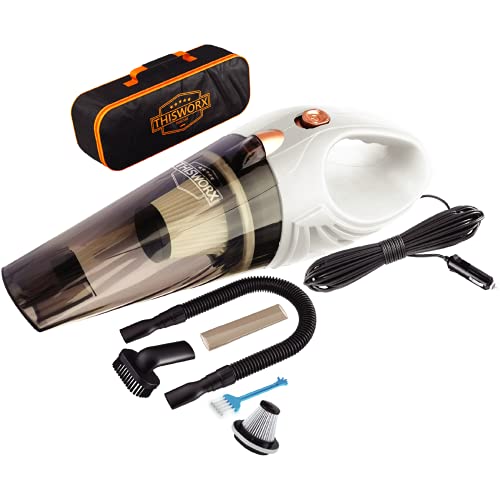
Pet owners face car cleaning challenges that non-pet owners simply don't encounter. Dog hair weaves itself into fabric seats with tenacity that seems designed to resist vacuum extraction. Cat fur drifts into every crevice and embeds in carpet fibers. The accumulation happens faster than seems physically possible—a single car ride with a shedding pet can deposit enough hair to make the interior look neglected despite recent cleaning. Standard car vacuums often struggle with this specifically challenging debris type.
The pet hair challenge extends beyond simple volume. Hair embeds in fabric weave at angles that resist straightforward suction. It wraps around brush rollers, degrading vacuum performance. It accumulates in places standard vacuums don't reach effectively. Addressing pet hair effectively requires understanding why it's difficult and selecting equipment optimized for this specific challenge rather than general-purpose cleaning.

This comprehensive guide examines car vacuum selection specifically for pet owners, analyzing what makes pet hair challenging, which features actually help versus which are marketing claims, and how to select equipment that addresses your actual pet hair situation effectively. The goal is helping you clean pet hair from your vehicle efficiently rather than fighting a losing battle with inadequate equipment.
Key Takeaways
- Pet hair requires more suction: Embedded hair needs extraction power standard vacuums often lack
- Specialized attachments matter: Pet-specific tools outperform generic accessories significantly
- Motorized brushes help most: Active agitation dislodges embedded hair for vacuum pickup
- Self-cleaning features prevent maintenance frustration: Hair wrapping around brushes degrades performance
- Regular cleaning beats occasional deep cleaning: Prevention easier than extraction
Table of Contents
- Understanding the Pet Hair Challenge
- Essential Features for Pet Hair
- Evaluating Suction for Pet Hair
- Attachment Analysis for Pet Owners
- Cordless vs. Corded for Pet Hair
- Maintenance Considerations
- Selecting for Your Specific Situation
- Beyond Vacuuming: Complementary Tools
- Related Articles
- Frequently Asked Questions
Understanding the Pet Hair Challenge
Pet hair presents challenges that other debris types don't, and understanding these challenges helps identify solutions that actually address them rather than working around them.
Hair embeds in fabric at angles that resist straight suction. Unlike surface debris that vacuum airflow can lift directly, hair lying within fabric weave often angles down into the material. Suction pulling straight up may pass over embedded hair that only releases with angled or agitated extraction. This embedding explains why seemingly adequate vacuums leave hair behind.
The physical properties of pet hair contribute to difficulty. Fine hair generates static electricity that bonds it to fabric surfaces. Coarse hair hooks into fabric weave with physical grip that resists suction. Both hair types accumulate faster than most owners realize, compounding the challenge through sheer volume.
Different pet types create different challenges. Long-haired breeds deposit hair that tangles and mats in fabric; short-haired breeds produce hair that penetrates deeply into weave. Double-coated breeds shed undercoat that forms dense accumulations; single-coated breeds produce less volume but potentially more embedding. Your specific pets influence which cleaning approaches work best.
Standard vacuums designed for general debris often lack the suction power and specialized tools that pet hair extraction requires. They pick up loose surface hair adequately but leave embedded hair that makes cleaned areas still appear hair-covered. This frustrating partial cleaning drives pet owners to seek better solutions.
Essential Features for Pet Hair
Certain vacuum features provide genuine advantage for pet hair cleaning versus general-purpose alternatives. Prioritizing these features helps select effective equipment.
Strong suction power provides the foundation for pet hair extraction. Moderate suction handles surface hair but cannot pull embedded hair from fabric weave. More powerful suction creates the extraction force that dislodges embedded material. While excessive suction isn't always necessary for general cleaning, pet hair benefits from stronger-than-typical power.
Motorized brush attachments significantly improve pet hair removal. Spinning brushes agitate fabric, disturbing hair from embedded positions where suction alone couldn't reach. This mechanical action combined with suction extracts hair that passive suction leaves behind. Motorized brushes represent perhaps the most impactful feature for pet hair cleaning.
Specialized pet hair tools address the specific hair challenge directly. Rubber surfaces grab hair through friction better than plastic or bristle tools. Turbine-powered brush attachments provide agitation without the power draw of motorized options. Purpose-designed pet tools outperform general-purpose accessories for this specific application.
Self-cleaning brush mechanisms prevent hair accumulation that degrades performance. Hair wrapping around brush rolls creates maintenance burden and reduces effectiveness. Self-cleaning designs that cut and extract wrapped hair maintain performance without manual cleaning intervention. This convenience matters when cleaning generates significant hair volume.
Filtration quality affects both performance and exhaust cleanliness. Fine pet hair and dander can pass through basic filters, exhausting back into the air you're breathing. Better filtration captures more particles while protecting motor components from hair infiltration. HEPA filtration provides maximum capture for allergy-sensitive users.
Evaluating Suction for Pet Hair
Suction power claims require careful interpretation when evaluating vacuums for pet hair extraction. Understanding what specifications mean helps identify genuinely powerful options.
Manufacturers specify suction differently—watts, air watts, kPa, CFM—making direct comparison difficult. These metrics measure different aspects of vacuum performance without standardized testing methodology. Higher numbers within the same metric generally indicate more power, but comparing across different metrics provides unreliable guidance.
Practical effectiveness matters more than specifications for pet hair. A vacuum may claim impressive numbers but fail to extract embedded hair effectively due to poor airflow design or inadequate attachment optimization. Conversely, well-engineered vacuums may outperform higher-spec alternatives through better design despite modest numbers.
User reviews provide the most reliable suction assessment for pet hair. Look for reviews from pet owners describing how vacuums handle hair similar to yours—long or short, fine or coarse, from similar pet types. These experience reports predict your results better than specification comparisons.
Premium cordless vacuums from brands like Dyson, Shark, and LG have reached suction levels that handle pet hair effectively. Tool-platform vacuums from Milwaukee, DeWalt, and Makita provide professional-grade power that exceeds typical pet hair requirements. Budget options may struggle unless your pet hair situation is mild.
Attachment Analysis for Pet Owners
Attachments determine how effectively vacuum suction translates to actual pet hair removal. Evaluating attachment quality and type helps identify effective options.
Motorized brush heads provide the most effective fabric cleaning. The spinning brush agitates hair from embedded positions while suction removes loosened material. For upholstery and carpet cleaning, motorized brushes significantly outperform passive alternatives. The motor adds weight and complexity but delivers proportional performance improvement.
Rubber-surfaced tools grab hair through friction that plastic and bristle surfaces don't provide. Rubberized nozzles, rubber squeegee attachments, and rubber-bristle combinations grip hair for removal rather than sliding over it. These surfaces prove particularly effective on leather and vinyl where fabric-style agitation isn't applicable.
Turbine-powered brushes provide agitation without electrical motor requirements. These attachments use airflow to spin brush elements, offering middle-ground capability between passive and motorized options. They work well for users wanting agitation without the weight and complexity of motorized alternatives.
Crevice tools remain essential for pet hair in tight spaces. Hair accumulates between seats, along door jambs, and in console crevices where only narrow tools can reach. Longer crevice tools provide better reach; angled designs access awkward spaces more effectively.
Upholstery tools designed for pet hair incorporate features addressing the specific challenge. Look for designs that combine suction with agitation, rubber surfaces that grip hair, or configurations that prevent hair wrapping. Generic upholstery tools may disappoint pet owners whose hair requires specialized approaches.
Cordless vs. Corded for Pet Hair
Power source choice affects pet hair cleaning capability significantly. Both options can work effectively, but each involves different trade-offs.
Cordless vacuums offer convenience that encourages frequent cleaning—the easier it is to vacuum, the more likely you'll maintain regular schedules that prevent heavy accumulation. For pet owners, this convenience may matter more than raw power since regular light cleaning often beats occasional heavy cleaning.
Premium cordless vacuums now provide suction adequate for pet hair extraction. Brands like Dyson, Shark, and LG have developed powerful motors and efficient designs that approach corded capability. These vacuums cost more than budget alternatives but deliver genuine pet hair effectiveness.
Runtime limitations affect thorough pet hair cleaning. Extensive pet hair removal may take longer than standard cleaning, potentially exceeding cordless runtime. Larger vehicles or multiple-vehicle cleaning may require strategic battery management or acceptance of charging interruptions.
Corded vacuums provide unlimited runtime and often maximum suction. For heavy pet hair situations or large vehicles requiring extended cleaning, corded power eliminates runtime concern. The trade-off involves outlet dependency and cord management during use.
Shop vacuums provide maximum suction for extreme pet hair situations. These large corded units extract embedded hair more effectively than handheld alternatives, though they sacrifice portability. For serious pet hair challenges or detailing-level cleaning, shop vacuum power may prove necessary.
Maintenance Considerations
Pet hair creates maintenance demands beyond standard vacuum use. Understanding these requirements helps select vacuums that minimize maintenance burden.
Hair wraps around brush rolls during operation, eventually degrading performance and requiring manual removal. Self-cleaning brush mechanisms that cut and extract wrapped hair significantly reduce this maintenance burden. For heavy pet hair use, self-cleaning capability provides substantial convenience value.
Filters clog faster with pet hair and dander than with standard debris. Frequent filter cleaning or replacement maintains suction performance that dirty filters progressively degrade. Washable filters reduce ongoing costs compared to replacement-only designs but require drying time between cleaning and use.
Dust containers fill faster with pet hair's bulk. Smaller containers require more frequent emptying that interrupts cleaning flow. Larger containers accommodate the volume that pet hair generates without constant attention.
Hair can infiltrate vacuum internals beyond intended collection areas. Periodic inspection and cleaning of pathways where hair accumulates prevents buildup that affects performance. Vacuums designed with pet hair in mind often incorporate accessible cleaning points for this maintenance.
Selecting for Your Specific Situation
Pet hair situations vary significantly. Matching vacuum selection to your specific circumstances produces better results than generic recommendations.
Light shedding with frequent cleaning represents the easiest scenario. If you have low-shedding breeds and clean regularly before accumulation becomes heavy, mid-range vacuums with basic pet tools handle the situation effectively. Maximum power isn't necessary when maintenance prevents serious embedding.
Heavy shedding requires more capable equipment. High-shedding breeds deposit hair volumes that exceed what basic vacuums handle efficiently. Stronger suction, motorized brushes, and larger capacity address the scale of cleaning these situations require.
Embedded hair in fabric upholstery demands aggressive extraction capability. If hair has worked deeply into seat fabric, only strong suction combined with effective agitation provides satisfactory results. Premium cordless vacuums or shop-vac-level power may be necessary.
Leather or vinyl interiors present different challenges than fabric. Hair doesn't embed in these surfaces but can accumulate in seams and crevices. Rubber-surfaced tools and effective crevice cleaning become priorities over fabric-focused features.
Multiple pets multiply the challenge proportionally. More pets mean more hair, faster accumulation, and greater cleaning demands. Equipment adequate for one pet may prove insufficient for multi-pet households.
Beyond Vacuuming: Complementary Tools
Vacuums work best as part of comprehensive pet hair management rather than sole solution. Complementary tools can improve results and reduce vacuum demands.
Rubber grooming gloves and lint brushes pre-loosen hair before vacuuming. Using these tools first reduces vacuum workload and can capture hair that vacuums would struggle with. The combination often produces better results than vacuuming alone.
Fabric squeegees scrape hair from surfaces using rubber friction. These simple tools grab hair effectively and can address areas where vacuum access is awkward. Pre-treating with squeegees before vacuuming improves overall results.
Seat covers and protective barriers prevent hair from reaching surfaces directly. While not cleaning tools, they reduce the cleaning challenge by intercepting hair before it embeds in vehicle surfaces. Washable covers that absorb shedding simplify overall pet transport management.
Regular pet grooming reduces the hair available for car deposit. While outside the scope of car vacuum selection, addressing shedding at its source reduces vehicle cleaning demands significantly. Brushing pets before car rides minimizes loose hair available for deposit.
Related Articles
Explore more car vacuum guides and reviews:
- Best Car Vacuums for Pet Hair Removal
- Corded vs Cordless Car Vacuums: Which Type is Right for You?
- ThisWorx Car Vacuum Review
- How to Vacuum Car Seats Properly
Frequently Asked Questions
What's the best vacuum for dog hair in cars?
Effective options include premium cordless vacuums with motorized pet tools (Dyson, Shark Pet models) or professional tool-brand vacuums with strong suction (Milwaukee, DeWalt). The best choice depends on your specific situation—dog size, shedding level, vehicle type, and budget all influence optimal selection. Look for strong suction, motorized brushes, and pet-specific attachments.
Do pet-specific vacuums really work better?
Vacuums designed for pet hair typically include stronger motors, motorized brush attachments, self-cleaning mechanisms, and better filtration—features that genuinely improve pet hair cleaning. However, "pet" branding alone doesn't guarantee effectiveness. Evaluate specific features rather than trusting marketing labels.
Is cordless powerful enough for pet hair?
Premium cordless vacuums now provide suction adequate for most pet hair situations. Budget cordless options typically lack necessary power. If choosing cordless, select established brands known for strong suction (Dyson, Shark, LG) rather than budget alternatives where pet hair may exceed capability.
How often should I vacuum with pets?
Weekly cleaning prevents heavy accumulation that's harder to remove. More frequent cleaning—even quick touch-ups between thorough sessions—maintains easier conditions than allowing buildup. The easier cleaning remains, the more likely you'll maintain it; letting accumulation grow makes cleaning increasingly difficult.
Why does pet hair wrap around brush rollers?
Hair catches on brush bristles during rotation and winds around the roller rather than releasing into suction airflow. This wrapping progressively degrades brush effectiveness. Self-cleaning mechanisms or designs that prevent wrapping address this common frustration.
Are motorized attachments worth the extra cost?
For pet owners, usually yes. Motorized brushes provide fabric agitation that dramatically improves embedded hair extraction compared to passive tools. The performance improvement justifies the cost premium for users dealing with significant pet hair challenges.
Should I get HEPA filtration for pet cleaning?
HEPA filtration captures fine particles including pet dander that standard filters miss. For allergy sufferers or users wanting maximum air quality, HEPA provides genuine benefit. For general cleaning without allergy concerns, standard filtration may suffice.
Can I use a regular vacuum for pet hair?
Regular vacuums can handle light pet hair but often struggle with embedded hair or heavy accumulation. If your pet hair situation is mild, standard vacuums may suffice. If you're constantly frustrated by remaining hair after vacuuming, upgrading to pet-optimized equipment addresses that frustration.
What about lint rollers or tape for pet hair?
Lint rollers work for surface hair on fabric but cannot address embedded hair or clean large areas efficiently. They complement vacuuming for quick touch-ups or areas vacuum can't reach but don't replace vacuum cleaning for comprehensive results.
How do I clean a vacuum that's full of pet hair?
Remove tangled hair from brush rolls (scissors help with cutting wrapped hair). Clean or replace filters that pet hair clogs. Empty and wipe dust containers. Check for hair accumulation in pathways and attachment connections. Regular maintenance prevents performance degradation from hair buildup.