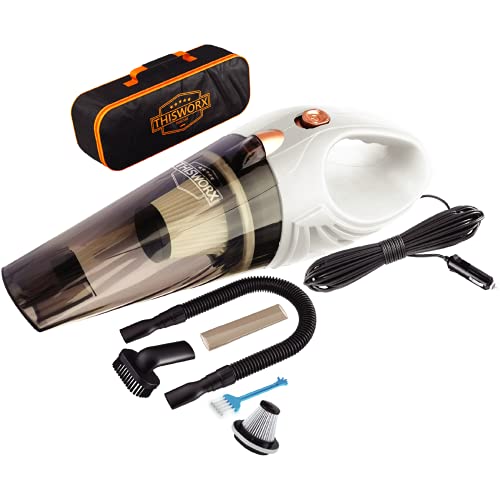
Selecting the right car vacuum involves navigating a market filled with options ranging from inexpensive handheld units to professional-grade equipment, with countless variations in between. The diversity of available choices reflects the diversity of car cleaning needs—what works perfectly for one driver proves completely inadequate for another. Understanding the factors that determine vacuum suitability helps cut through marketing claims to find equipment that actually matches your specific situation.
The car vacuum category has evolved significantly in recent years, with cordless technology reaching genuine practicality, traditional corded options maintaining relevance for specific applications, and specialized features addressing particular cleaning challenges like pet hair or wet debris. This evolution means more capable options exist than ever before, but also that the selection process requires more informed evaluation to avoid expensive mismatches between needs and purchase.

This comprehensive buying guide examines every significant factor affecting car vacuum selection, from fundamental power source decisions to nuanced feature considerations. The goal isn't identifying a single best vacuum—that doesn't exist—but rather providing the framework for selecting the vacuum that best addresses your particular requirements, priorities, and constraints.
Key Takeaways
- Power source fundamentally shapes capability: Cordless, corded, or 12V each suit different priorities
- Match suction power to cleaning needs: More power helps demanding situations but isn't always necessary
- Runtime matters for cordless: Evaluate whether advertised runtime actually suffices for your vehicle
- Attachments determine versatility: The right accessories make vacuum capability accessible
- Build quality affects longevity: Higher investment often produces proportionally longer service
Table of Contents
- Understanding Power Source Options
- Evaluating Suction Power Realistically
- Runtime and Battery Considerations
- Form Factor and Ergonomics
- Essential and Optional Attachments
- Wet/Dry Capability Considerations
- Build Quality and Durability
- Feature Evaluation Framework
- Budget Allocation Strategy
- Making the Final Decision
- Related Articles
- Frequently Asked Questions
Understanding Power Source Options
The fundamental choice between cordless, household-corded, and 12V vehicle-powered vacuums determines what's possible before any other consideration applies. Each power source creates distinct advantages and limitations that shape appropriate applications.
Cordless vacuums have transformed car cleaning convenience by eliminating cord management during use and enabling cleaning anywhere regardless of power outlet availability. Modern lithium-ion batteries provide runtime that handles most car cleaning sessions while delivering suction that increasingly challenges corded alternatives. The trade-off involves finite runtime that eventually requires recharging, battery degradation over years of ownership, and higher costs for equivalent capability.
Household-corded vacuums (using standard AC outlets) provide unlimited runtime and typically maximum suction power since cord weight and outlet proximity don't constrain motor size. These vacuums make sense when cleaning happens in garages with available outlets, when multiple vehicles need cleaning sequentially, or when maximum suction matters more than portability. The limitation involves always needing accessible outlets and managing cord routing during cleaning.
12V vehicle-powered vacuums plug into your car's accessory outlet, providing unlimited runtime without requiring separate power sources while enabling cleaning anywhere your vehicle travels. Power limitations from vehicle electrical systems cap maximum suction below corded alternatives, but the always-available, cord-powered convenience suits users who value having cleaning capability whenever and wherever needed.
The power source decision should reflect how, where, and when you typically clean vehicles. Occasional garage cleaning suits corded options. Frequent on-the-go cleaning favors cordless or 12V. Heavy professional use might prioritize maximum corded power. No universal answer exists—matching power source to usage pattern determines satisfaction.
Evaluating Suction Power Realistically
Vacuum suction power specifications create more confusion than clarity in the car vacuum market. Understanding what specifications actually mean helps evaluate options accurately rather than being misled by impressive-sounding numbers.
Manufacturers specify power in various ways—watts, volts, air watts, kPa (kilopascals), and CFM (cubic feet per minute) all appear in marketing materials. These measurements describe different aspects of vacuum performance without standardized testing methodology, making direct comparison between products using different specifications essentially meaningless.
What matters for car cleaning isn't specification numbers but practical cleaning effectiveness—whether the vacuum actually picks up the debris you need to remove from surfaces you need to clean. A vacuum with modest specifications that cleans your vehicle effectively beats a higher-spec vacuum that doesn't match your actual cleaning needs.
For typical car cleaning involving dust, crumbs, and loose debris, most current vacuums provide adequate suction. Where suction power differences become meaningful involves challenging situations—embedded pet hair, ground-in dirt, heavy contamination—where marginal vacuums struggle while more powerful options succeed. If your cleaning involves these demanding situations regularly, prioritizing suction power makes sense. If you maintain vehicles before significant accumulation develops, moderate suction suffices.
The most reliable suction assessment comes from user reviews mentioning specific debris types and cleaning situations similar to yours. Real-world experience reports provide more accurate guidance than specifications that don't translate directly to practical cleaning effectiveness.
Runtime and Battery Considerations
For cordless vacuums, runtime determines whether a single charge handles your typical cleaning session or whether interruptions for recharging create frustration that undermines cordless convenience.
Manufacturer runtime claims require skeptical interpretation. Advertised runtime typically reflects optimal conditions—lowest power settings, new batteries, minimal actual cleaning load—that may not match real-world use. Practical runtime during active cleaning often falls 20-40% below advertised figures, especially as batteries age.
Estimating your actual runtime needs requires considering vehicle size, cleaning thoroughness, and how efficiently you work. Compact cars might clean in 10-15 minutes; large SUVs or trucks might require 30+ minutes for thorough cleaning. Multiple vehicles multiply requirements. Allowing margin above minimum estimates prevents frustrating mid-session battery depletion.
Battery capacity in cordless vacuums directly affects both runtime and cost. Higher-capacity batteries extend runtime but increase weight, size, and price. Some vacuums offer removable batteries that enable hot-swapping for extended cleaning or replacement when batteries eventually degrade. Tool-platform vacuums using batteries from other cordless tools can leverage existing battery investments.
Battery longevity over years of ownership affects total ownership cost. Lithium-ion batteries inevitably degrade—capacity diminishes with age and charge cycles regardless of care. Quality batteries from reputable manufacturers typically maintain useful capacity for 3-5+ years; budget batteries may degrade faster. Replaceable batteries allow refreshing capacity; sealed batteries require vacuum replacement when runtime becomes inadequate.
Form Factor and Ergonomics
How a vacuum feels during extended use affects satisfaction more than specifications suggest. Ergonomic design that reduces fatigue and enables comfortable cleaning produces better outcomes than raw capability that's awkward to apply.
Handheld vacuums dominate the car cleaning category because they provide the maneuverability that vehicle interiors demand. Weight distribution, grip design, trigger placement, and balance all affect how comfortable extended cleaning feels. Heavier vacuums with powerful motors may clean more effectively per pass but become tiring during thorough cleaning sessions.
Form factor determines what vehicle areas clean easily versus awkwardly. Vacuum shape affects reaching into footwells, under seats, and along door areas. Bulky designs may provide more power but struggle in confined spaces. Compact designs fit everywhere but may sacrifice capability for size.
Stick-style vacuums offer alternative ergonomics for users who prefer upright operation. The longer form factor can reduce bending for floor cleaning while making tight spaces harder to reach. Some stick vacuums convert to handheld mode, providing ergonomic flexibility at the cost of additional complexity.
The best ergonomic choice depends on your physical situation, vehicle characteristics, and cleaning approach. Trying vacuums in person when possible provides better ergonomic assessment than online evaluation of specifications.
Essential and Optional Attachments
Attachments translate vacuum capability into practical versatility by adapting suction to different cleaning situations. The right attachment makes impossible-to-reach areas accessible; missing attachments leave cleaning needs unaddressed regardless of core vacuum capability.
Crevice tools represent the most essential car cleaning attachment. These narrow extensions reach into tight spaces—between seats, along door jambs, in console crevices, along seat tracks—where the main vacuum body cannot fit. A vacuum without an effective crevice tool cannot thoroughly clean vehicle interiors regardless of other capabilities.
Brush attachments help with upholstery and fabric cleaning. Bristles dislodge debris from fabric surfaces for vacuum pickup, improving results on seats, carpets, and floor mats. Motorized brush attachments provide even more effective fabric cleaning but add complexity and potential failure points.
Extension hoses or wands increase reach for accessing distant areas without repositioning power connections. Longer reach proves valuable in large vehicles or when cleaning from outside the vehicle. Extension capability matters more for some vacuums and vehicle sizes than others.
Pet hair–specific attachments address the particular challenge of hair removal. Rubberized surfaces, specialized brush patterns, or motorized extraction help pull hair from fabric more effectively than standard attachments. Pet owners should evaluate whether included accessories address their specific needs.
Evaluating what attachments come included versus require separate purchase affects total investment calculation. Some vacuums include comprehensive accessory sets; others provide minimal basics with additional attachments sold separately at meaningful additional cost.
Wet/Dry Capability Considerations
Standard vacuums handle dry debris only—attempting to vacuum liquids risks motor damage and safety hazards. Wet/dry vacuums extend capability to handle small liquid spills, expanding utility for users who encounter wet messes.
True wet/dry vacuums incorporate sealed motors, specialized filters, and appropriate containment to handle liquids safely. These features add cost and complexity while enabling liquid pickup that standard vacuums cannot safely attempt. The additional capability has value for users who regularly encounter liquid messes in vehicles.
Wet/dry capability limitations exist even in appropriately designed vacuums. Small handheld wet/dry vacuums typically handle minor spills—coffee drips, beverage spills, small puddles—rather than serious flooding or large liquid volumes. Understanding capacity limitations prevents expecting small portable vacuums to perform like shop-vac-scale equipment.
For users whose vehicles rarely encounter liquid messes, wet/dry capability represents unnecessary cost and complexity. Standard dry vacuums clean more effectively within their scope; wet/dry compromises may reduce dry cleaning effectiveness. Matching capability to actual needs avoids paying for unused features.
If wet/dry capability matters, verify that specific products are designed for liquid handling rather than assuming all vacuums can safely handle wet debris. Using standard vacuums on liquids creates genuine damage and safety risks.
Build Quality and Durability
Construction quality affects how long vacuums provide useful service and how well they maintain performance over time. Higher-quality construction typically commands higher prices but delivers proportionally longer service life.
Material quality determines durability under normal use. Premium plastics resist impact better, maintain appearance longer, and don't crack or break as readily as budget materials. Metal components in high-stress areas provide durability that plastic alternatives may lack. These differences become apparent over years of use rather than initial evaluation.
Motor quality affects both performance and longevity. Quality motors maintain suction capability over thousands of hours of use; budget motors may degrade faster, losing effectiveness before structural failure makes replacement obviously necessary. Motor quality rarely appears in specifications but affects long-term satisfaction significantly.
Filter systems vary in effectiveness and durability. Quality filters capture fine particles effectively, protecting motors from debris while providing cleaner exhaust. Filter replaceability affects ongoing costs—some vacuums use washable filters that last years; others require frequent replacement filter purchases.
Brand reputation provides imperfect but useful durability signals. Established manufacturers with track records of quality typically produce more reliable products than unknown brands, though exceptions exist in both directions. User reviews mentioning long-term experience provide more specific guidance than brand reputation alone.
The relationship between initial price and long-term durability isn't perfectly linear, but correlation exists. Budget vacuums designed for competitive pricing may sacrifice durability; premium vacuums justifying higher prices through quality often deliver proportional longevity. Evaluating cost-per-year-of-service rather than initial purchase price provides more accurate value assessment.
Feature Evaluation Framework
Beyond core functionality, various features differentiate vacuum options. Evaluating which features matter for your situation prevents paying for unused capabilities or missing features that would improve your experience.
LED lights illuminate dark areas during cleaning—under seats, in footwells, in shadowed cargo areas. This feature provides genuine utility during actual use, helping identify debris in areas that standard lighting doesn't reach. Users who clean in well-lit conditions may not need integrated lighting; those cleaning in dimmer environments appreciate the assistance.
Noise levels affect cleaning comfort, especially during extended sessions. Quieter operation makes cleaning more pleasant and may matter for cleaning in noise-sensitive environments or during times when noise creates issues. Noise specifications, when provided, help compare options, though real-world conditions may differ from testing.
Filter indicators signal when maintenance is needed, preventing suction degradation from dirty filters that users might not notice. This feature helps maintain performance through proper maintenance timing. Vacuums without indicators require users to establish maintenance schedules or check filters periodically.
Charging options affect convenience. Quick-charging capability reduces wait time between sessions; standard charging works fine when time between uses exceeds charge duration. Charging base versus direct cable connection affects storage integration and convenience.
Each feature has value for users whose situations benefit from it and represents unnecessary cost for users who don't need it. Evaluating features against your actual usage prevents both missing helpful capabilities and paying for unused ones.
Budget Allocation Strategy
Car vacuum prices span from under $30 to several hundred dollars, with capabilities generally correlating to investment level. Understanding what different budget levels typically provide helps allocate spending effectively.
Budget options under $50 provide basic capability that handles light cleaning needs adequately. Suction power, runtime, and build quality all reflect the price point—expect functional performance without premium refinement. These vacuums suit users with modest cleaning needs, those who view vacuums as consumables to be replaced periodically, or those testing whether more investment would provide proportional value.
Mid-range options from $50-150 represent the sweet spot for most users. This range provides meaningful capability improvements over budget options—better suction, longer runtime, more durable construction—without premium pricing. Competition at this price point pushes manufacturers to deliver genuine value that justifies choosing higher-priced options over budget alternatives.
Premium options above $150 provide maximum capability, best build quality, and longest expected service life. These vacuums suit users with demanding cleaning requirements, those who value quality and expect long-term ownership, or those whose time value makes quick, effective cleaning worth investment premium. Premium doesn't always mean best value, but it typically means best capability.
Tool-platform vacuums present different economics—bare tools may cost $50-80, but total investment including batteries reaches $100-200+. However, users with existing batteries eliminate that cost component, making bare tools excellent value. Platform investment spread across multiple tools changes per-tool economics favorably.
Making the Final Decision
With all factors considered, selecting the right vacuum involves matching priorities to available options rather than identifying objectively best choices that don't exist.
Start by clarifying non-negotiable requirements—power source preference, minimum acceptable runtime, must-have features. These requirements eliminate options that cannot meet fundamental needs regardless of other qualities.
Among options meeting requirements, evaluate trade-offs against your priorities. No vacuum excels at everything; each involves compromises. Identifying which compromises you can accept and which would create frustration guides selection toward satisfying choices.
User reviews provide the best real-world guidance beyond specifications and marketing. Look for reviews from users with similar vehicles, cleaning situations, and priorities to yours. Their experiences predict yours more accurately than average ratings that aggregate diverse user perspectives.
When possible, trying vacuums before purchase helps evaluate ergonomics and build quality that specifications don't capture. Retail environments enabling hands-on evaluation provide information that online shopping cannot replicate.
Finally, remember that no vacuum is permanent. If your selection doesn't meet expectations, replacement is possible. If your needs change over time, different vacuums may suit changed requirements. The goal is selecting what works now rather than paralysis seeking perfect choices that don't exist.
Related Articles
Explore more car vacuum guides and reviews:
- Best Cordless Car Vacuums Under $100
- Corded vs Cordless Car Vacuums: Which Type is Right for You?
- ThisWorx Car Vacuum Review
- How to Vacuum Car Seats Properly
Frequently Asked Questions
What's the most important feature in a car vacuum?
The most important feature depends on your specific situation. For most users, adequate suction power and appropriate runtime matter most—the vacuum needs to actually clean your vehicle before running out of battery. After those fundamentals, crevice tool quality determines how thoroughly you can clean tight spaces that dominate vehicle interiors.
Are cordless car vacuums powerful enough?
Modern cordless vacuums provide suction adequate for most car cleaning needs. Premium cordless options approach or match corded alternatives for typical cleaning situations. Where cordless may fall short involves extremely demanding situations—heavy contamination, deeply embedded debris—where maximum corded power provides advantage.
How much should I spend on a car vacuum?
Budget $50-100 for capable options that suit most users' needs. Lower prices can work for light cleaning needs; higher prices make sense for demanding situations or users valuing premium quality. Match investment to actual requirements rather than assuming most expensive equals best value.
Do I need a wet/dry vacuum for car cleaning?
Most users don't need wet/dry capability—liquid messes in vehicles are occasional rather than routine. If you regularly deal with wet spills, wet/dry capability helps. If wet messes are rare, standard dry vacuums provide better dry cleaning performance without unused wet capability cost.
Are tool-platform vacuums good for car cleaning?
Tool-platform vacuums from brands like DeWalt, Milwaukee, or Makita provide professional-grade quality that handles car cleaning effectively. For existing platform users, the bare-tool value is excellent. For new users, total investment including batteries may exceed dedicated car vacuums unless other platform tools interest you.
How long should a car vacuum last?
Quality vacuums should provide 3-5+ years of regular service with proper maintenance. Budget options may last less; premium options may last longer. Battery degradation affects cordless vacuum useful life even when motors remain functional. Treating vacuums as multi-year investments rather than disposables improves cost-per-use value.
Is more suction always better?
More suction helps demanding cleaning situations but may not provide proportional value for typical cleaning. Adequate suction handles most car cleaning effectively; maximum suction addresses edge cases that not everyone encounters. Match suction to actual needs rather than assuming more is always better.
What accessories are essential for car cleaning?
A quality crevice tool is essential for reaching tight spaces throughout vehicle interiors. Beyond that, brush attachments help with upholstery, and extension capability helps in larger vehicles. Evaluate what's included versus required for separate purchase when comparing options.
Should I buy from a vacuum brand or tool brand?
Both approaches produce capable car vacuums. Vacuum brands like Dyson or Shark optimize specifically for cleaning applications. Tool brands bring professional-grade construction with platform battery benefits. Choice depends on whether you value cleaning optimization or platform integration more.
How do I know if a vacuum is good quality?
Quality indicators include brand reputation, user reviews mentioning long-term experience, solid construction feel when handling, and appropriate pricing that allows for quality components. Very low prices typically require construction compromises; established brands generally maintain quality standards that protect their reputations.