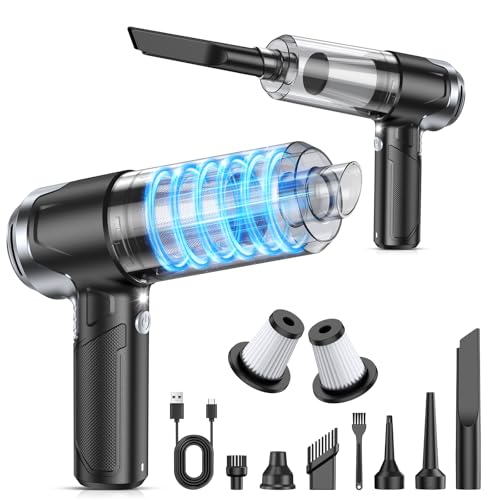
The Autowit cordless car vacuum markets itself with a prominent 12000PA suction specification, placing numerical emphasis on cleaning power. Suction ratings have become common marketing differentiators, with manufacturers competing to advertise increasingly impressive numbers. For car owners evaluating vacuum options, understanding what suction specifications actually mean for real-world cleaning helps separate marketing from practical capability.

Suction measurements can be made under various conditions that may not reflect actual cleaning performance. A vacuum's effectiveness depends not just on raw suction power but on airflow design, nozzle efficiency, and how well the system works as a whole. This review examines whether the Autowit's advertised suction translates to effective car cleaning beyond the specification sheet.

This review evaluates the Autowit cordless car vacuum for automotive interior cleaning applications.
Key Takeaways
- 12000PA suction specification marketed prominently: Numerical emphasis on power
- Cordless convenience for anywhere cleaning: Battery operation without outlet dependence
- Compact design suits vehicle storage: Portable size for car compartment storage
- Specifications vs real-world performance: Marketing numbers require context
- Budget-friendly pricing: Accessible entry into cordless vacuums
Table of Contents
- Understanding Suction Specifications
- Real-World Suction Performance
- Cordless Operation
- Battery Performance
- Design and Build Quality
- Attachments and Accessories
- Filtration System
- Noise Characteristics
- Value Assessment
- Specification Marketing Context
- Who Should Consider This Vacuum
- Related Articles
- Frequently Asked Questions
Understanding Suction Specifications
Pascal (Pa) measurements indicate vacuum pressure under specific test conditions. These conditions may differ from actual cleaning scenarios. A 12000PA rating indicates the motor can generate that pressure, not that cleaning receives that full benefit.
Airflow, nozzle design, and system sealing all affect how suction translates to debris pickup. High suction numbers do not guarantee effective cleaning if other design elements limit performance.
Specifications serve comparison purposes but real-world testing reveals actual capability. Marketing emphasizes impressive numbers; practical use reveals functional reality.
Specifications require contextual understanding.
Numbers alone do not ensure performance.
Real-World Suction Performance
Actual cleaning performance delivers adequate capability for typical car debris. Surface dirt including crumbs, dust, and loose particles yields to the vacuum's pulling power. The suction feels reasonable during use.
The 12000PA specification does not make this dramatically more powerful than similar cordless vacuums with lower advertised numbers. Real-world performance falls within typical range for the category.
Embedded debris still presents challenge despite impressive specifications. Deep-ground dirt requires multiple passes or may not fully extract.
Performance appropriate for light to moderate cleaning.
Suction adequate for intended applications.
Cordless Operation
Battery power provides freedom from cords and outlets. Cleaning occurs anywhere without power source proximity concerns. No cigarette lighter outlet required.
Cordless convenience accelerates cleaning by eliminating cord management and repositioning for reach.
Battery operation suits the spontaneous cleaning patterns that keep vehicles consistently clean.
Cordless operation is genuinely convenient.
Freedom of movement enhances usability.
Battery Performance
Runtime determines how much cleaning completes per charge. The Autowit provides runtime sufficient for typical car cleaning sessions. Light maintenance cleaning completes comfortably within battery capacity.
Thorough cleaning of heavily soiled vehicles may approach or exceed runtime limits. Planning charging around cleaning needs prevents mid-session depletion.
Lithium-ion technology holds charge during storage. The vacuum remains ready after sitting unused.
Battery capacity appropriate for typical use.
Runtime suits maintenance cleaning patterns.
Design and Build Quality
Compact design accommodates vehicle storage. Console compartments, door pockets, or trunk corners can hold the vacuum for always-available cleaning capability.
Construction quality reflects budget positioning. Functional plastic components serve their purpose without premium feel. Build quality is adequate for regular light use.
Weight and balance suit handheld operation in vehicle interiors.
Design prioritizes portability.
Build quality matches price expectations.
Attachments and Accessories
Standard attachments address common car cleaning needs. Crevice tool reaches tight spaces. Brush attachment handles surface dusting.
Attachment quality matches the vacuum's budget positioning. Functional construction without premium durability.
The included set covers essential cleaning scenarios adequately.
Attachments are basic but functional.
Accessory selection addresses common needs.
Filtration System
Washable filter reduces ongoing maintenance costs. Regular cleaning maintains whatever suction the system delivers.
Filter access is straightforward. No tools required for routine maintenance.
Allow complete drying after washing before reinstallation.
Filtration adequate for typical debris.
Filter system is maintainable.
Noise Characteristics
Operating noise falls within acceptable range for cordless handheld vacuums. The motor produces audible sound during operation without being excessively loud.
Noise levels permit use without significant disturbance to surroundings.
Sound characteristics are unremarkable for the category.
Noise is acceptable.
Sound levels present no concern.
Value Assessment
Budget pricing makes the Autowit accessible for trying cordless car vacuuming. The investment is modest for evaluating whether cordless operation suits your cleaning patterns.
Value depends on matching expectations to realistic capabilities. The 12000PA specification does not deliver dramatically superior performance over alternatives. Value exists for appropriate applications.
Reasonable option within the budget cordless category.
Value appropriate for realistic expectations.
Budget cordless value.
Specification Marketing Context
The prominent 12000PA marketing reflects broader industry trends toward specification competition. Buyers should understand that higher numbers do not automatically mean better cleaning.
Real-world testing matters more than specification comparison. A well-designed vacuum with lower rated suction may outperform a poorly-designed one with impressive numbers.
Focus on actual cleaning capability rather than marketing figures.
Marketing emphasizes numbers over context.
Real performance matters most.
Who Should Consider This Vacuum
Those wanting cordless convenience at budget pricing. The combination of cordless operation and accessible cost has genuine appeal.
Users with light cleaning needs and regular maintenance habits. Frequent light cleaning aligns well with this vacuum's capabilities.
Buyers who should not place excessive weight on the suction specification claims.
Not suitable for demanding cleaning applications despite impressive numbers.
Best for budget cordless convenience seeking.
Related Articles
Explore more car vacuum guides and reviews:
- How Long Do Car Vacuum Batteries Last?
- Best Cordless Car Vacuums Under $100
- Corded vs Cordless Car Vacuums: Which Type is Right for You?
- How to Vacuum Car Seats Properly
Frequently Asked Questions
Is 12000PA really that powerful?
The specification indicates motor capability under test conditions. Real-world performance is adequate but not dramatically superior to lower-rated alternatives. The number is marketing emphasis more than practical differentiation.
How does it compare to higher-rated vacuums?
Similar practical performance to other budget cordless options regardless of rated specifications. Real cleaning capability matters more than numbers. Do not assume higher ratings equal better cleaning.
How long does the battery last?
Runtime sufficient for typical car cleaning sessions. May not complete heavily soiled vehicles or multiple vehicles. Plan charging around intended cleaning.
Is Autowit a reliable brand?
One of many brands in the budget vacuum market. Quality varies within this segment. Recent reviews provide better reliability indication than brand reputation alone.
Can it handle pet hair?
Light pet hair on surfaces may be removed. Heavy pet hair challenges the suction despite impressive specifications. Pet owners with significant shedding need more capable options.
What attachments are included?
Crevice tool and brush attachment typically included. Basic set for common cleaning scenarios. Check specific listing for exact contents.
How do PA ratings work?
Pascal measurements indicate pressure capability under specific test conditions. Higher numbers suggest stronger motors but do not guarantee better cleaning. System design affects how specifications translate to performance.
Is cordless better than corded for cars?
Cordless provides convenience; corded provides unlimited runtime. Choose based on whether freedom of movement or extended operation matters more for your cleaning patterns.
How do I maintain it?
Empty dust container regularly. Clean washable filter and dry completely. Keep charged for readiness. Regular maintenance maintains performance.
Is it worth the price?
For light cleaning with cordless convenience at budget price, value is reasonable. Do not purchase expecting premium performance based on suction specifications. Match expectations to realistic capability.