Not everyone needs or wants a premium car vacuum. For many drivers, a basic vacuum that handles regular dust and light debris serves perfectly well, and spending more provides diminishing returns they'll never utilize. The under-$40 category has expanded significantly as manufacturers compete for budget-conscious buyers, producing options that deliver genuine utility without the price premium of feature-rich alternatives.
Shopping in this price range requires different evaluation criteria than premium vacuum selection. You're not looking for exceptional performance or maximum features—you're seeking adequate capability at minimum cost. The key is identifying which budget vacuums deliver reliable basics versus which cut corners too aggressively, leaving you with a product that frustrates more than it helps.

This guide examines what the under-$40 budget actually buys in today's car vacuum market, how to set appropriate expectations, and how to identify budget options that provide genuine value versus false economy. The goal isn't to convince you to spend more, but to help you spend wisely within budget constraints.
Key Takeaways
- Capable options exist under $40: Budget doesn't mean non-functional when chosen carefully
- Set realistic expectations: Budget vacuums clean adequately without matching premium performance
- Prioritize the basics: Adequate suction and included crevice tool matter most
- 12V options dominate this range: Cordless under $40 typically compromises too much
- Maintenance matters more: Budget vacuums need careful filter and cord care to last
Table of Contents
What Budget Actually Means at Under $40
Understanding what manufacturers can deliver at this price point helps set appropriate expectations and identify red flags that indicate unacceptable compromises.
At under $40, manufacturers work with tight margins that limit material costs, motor quality, and feature inclusion. Every component selection involves trade-offs between cost and capability. This reality doesn't mean budget vacuums are bad—it means they're optimized differently than premium alternatives, prioritizing essential function over maximum performance or premium materials.
Budget vacuums typically provide adequate suction for light debris without the power that handles demanding cleaning. Motors are selected for cost-effective function rather than maximum airflow. This approach works for users who maintain vehicles regularly before heavy contamination accumulates; it struggles when deep cleaning or embedded debris extraction becomes necessary.
Construction uses basic materials and simpler manufacturing processes. Plastics are thinner and less impact-resistant; assembly may show less refinement; durability expectations should scale proportionally. These vacuums are designed to work adequately at low cost, not to survive years of demanding use.
Feature sets strip to basics—vacuum body, perhaps a crevice tool, maybe basic brush attachment. LED lights, multiple power modes, sophisticated filtration, and other enhancements add cost that budget pricing cannot accommodate. You get what's necessary, not what's nice.
12V vs. Cordless Under $40
Power source options shift significantly at budget prices, with 12V corded vacuums generally outperforming cordless alternatives at this investment level.
12V vacuums plugging into vehicle accessory outlets can deliver consistent suction without battery cost constraints. The power comes from your vehicle's electrical system, eliminating the expensive battery component that dominates cordless vacuum costs. This allows manufacturers to allocate more budget toward motor quality and construction rather than battery capacity.
Budget cordless vacuums under $40 typically use minimal battery capacity—often providing only 10-15 minutes of runtime that degrades quickly over months of use. The batteries are often older technology (sometimes nickel-based rather than lithium-ion) that performs poorly compared to quality alternatives. These compromises make budget cordless vacuums frequently disappointing.
The 12V trade-off involves cord management during use and proximity to your vehicle for power. For many users, this trade-off proves acceptable—especially when the alternative involves severely compromised cordless performance. The cord inconvenience is manageable; inadequate suction or dead batteries mid-cleaning create ongoing frustration.
If cordless convenience matters significantly to you, consider whether saving a bit more to reach the $50-60 range where cordless options improve substantially might serve better than budget cordless disappointment.
Essential Features to Prioritize
With limited budget, focusing on essential capabilities prevents spending on features that don't matter while ensuring basics work adequately.
Adequate suction for surface debris is the fundamental requirement. The vacuum needs to pick up dust, crumbs, and loose dirt effectively. This doesn't require exceptional power—moderate suction handles surface debris fine. User reviews mentioning actual cleaning results provide better guidance than specifications at this price point.
A functional crevice tool determines whether you can clean tight spaces throughout vehicle interiors. Without one, between-seat gaps, console crevices, and door areas remain inaccessible regardless of main vacuum capability. Verify crevice tool inclusion and check reviews for quality feedback.
Cord length matters significantly for 12V vacuums. The cord must reach all vehicle areas from the accessory outlet location. Cords under 12 feet may leave distant areas unreachable in larger vehicles. Verify cord length meets your vehicle's requirements before purchase.
Basic filter function protects the motor from debris damage. At budget prices, don't expect sophisticated filtration—just ensure basic filter function exists. Washable filters reduce ongoing costs compared to replacement-only designs.
Reasonable container capacity prevents constant interruption for emptying. Very small containers fill quickly, making thorough cleaning tedious. Container size adequate for typical cleaning sessions improves the experience without premium pricing.
Red Flags to Avoid
Some budget vacuums cut corners unacceptably, producing products that disappoint rather than serve. Recognizing warning signs helps avoid false economy.
Extremely low prices often indicate unacceptable compromises. Vacuums under $20 typically sacrifice too much to function adequately. The manufacturing constraints at rock-bottom prices prevent delivering even basic capability reliably. Saving $15-20 by choosing the cheapest option frequently costs more in replacement or frustration.
Unknown brands without review history present elevated risk. Established budget brands (even if not premium) have reputations to maintain; completely unknown brands may disappear before warranty claims or support becomes relevant. Some unknown brands provide excellent value—but identifying which requires more research than established options need.
Cordless vacuums under $30 almost universally disappoint. The battery cost alone at quality levels approaches this entire budget. Manufacturers making cordless vacuums at these prices necessarily use inadequate batteries that provide minimal runtime and degrade quickly.
Missing crevice tool or accessories creates ongoing limitation. If basics aren't included, you'll pay separately or work around the limitation indefinitely. Verify essential accessories are included rather than assuming.
Excessive claims at budget prices indicate marketing disconnected from reality. Budget vacuums claiming "professional power" or "industry-leading suction" are making statements their price points cannot support. Realistic marketing suggests realistic products.
What Budget Vacuums Do Well
Despite limitations, budget vacuums serve genuine purposes effectively for users whose needs align with what these products deliver.
Maintenance cleaning of reasonably maintained vehicles works well with budget vacuums. If you vacuum regularly before debris accumulates heavily, moderate suction handles the light cleaning effectively. The vacuum doesn't need to extract embedded contamination because regular maintenance prevents embedding.
Occasional spot cleaning—grabbing the vacuum to address a specific mess rather than comprehensive cleaning—suits budget vacuum capability. Quick cleanup of visible debris doesn't demand the power or runtime that thorough cleaning requires.
Serving as secondary or backup vacuum makes sense at budget prices. A budget vacuum kept in the vehicle supplements a better vacuum at home, providing cleaning capability when the primary vacuum isn't accessible. The budget option handles what arises away from home.
Testing whether car vacuuming fits your routine before bigger investment provides value. If you're unsure whether you'll actually vacuum your car regularly, a budget vacuum provides real-world testing without significant commitment. Learning your actual cleaning habits with a budget vacuum informs whether upgrading makes sense.
Setting Appropriate Expectations
Satisfaction depends significantly on matching expectations to reality. Budget vacuums disappoint users who expect premium performance; they satisfy users who expect adequate basics.
Expect adequate suction for surface debris, not powerful extraction. Loose dust, crumbs, and light dirt will clean effectively. Embedded debris, heavy pet hair in fabric, or ground-in contamination may exceed capability. Plan to address heavy contamination differently or maintain vehicles to prevent it.
Expect basic construction that serves its purpose without premium durability. Handle the vacuum reasonably—it's not designed to survive abuse. With appropriate care, budget vacuums provide useful service; with rough handling, they fail faster than quality would suggest.
Expect maintenance requirements. Budget vacuums need regular filter cleaning to maintain what suction they provide. Cords need careful handling to prevent damage. The care that premium construction absorbs must come from user attention with budget products.
Expect eventual replacement rather than indefinite service. Budget vacuums are designed for adequate function at low cost, not for decades of service. Planning to replace after a year or three matches realistic product lifespan; expecting permanent service leads to disappointment.
Maximizing Budget Vacuum Value
Certain practices help extract maximum useful life and performance from budget vacuums, compensating for construction limitations through careful use.
Clean filters regularly—budget vacuums lack filtration capacity margins, so dirty filters degrade performance proportionally more than premium alternatives. Establish cleaning routine from initial use to maintain consistent function.
Empty containers before overfilling. Budget motors strain more with restricted airflow; keeping containers from blocking airflow reduces motor stress and maintains suction.
Handle cords carefully. Budget cords use thinner wires and less durable insulation. Avoid kinks, don't close doors on cords, and store without tight bends. Cord failure is common in budget vacuums—careful handling extends cord life.
Avoid running motors hot. Budget motors lack thermal protection and cooling that premium motors include. Don't run continuously for extended periods; let the motor cool during long cleaning sessions. This attention extends motor life.
Store reasonably. Extreme temperatures stress budget construction more than premium materials. When possible, store where temperatures remain moderate rather than in hot vehicles or freezing garages.
Budget Category Recommendations
Certain products have established track records of delivering genuine value at budget prices. These recommendations reflect consistent user satisfaction within realistic expectations.
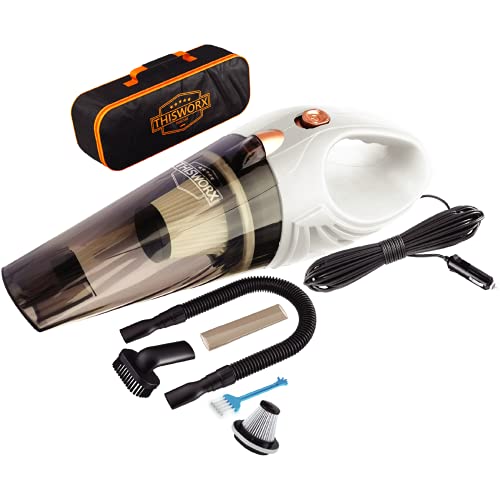
The ThisWorx 12V vacuum typically prices between $30-35 and has accumulated extensive positive reviews for adequate performance at its price point. The 16-foot cord reaches most vehicle areas, the included accessories address basic needs, and suction handles typical cleaning effectively. It represents the budget category benchmark that alternatives should match or exceed.
HOTOR offers similar capability, often priced slightly lower, with comparable user satisfaction. The marginally longer cord provides minor reach advantage. Both ThisWorx and HOTOR serve as reliable budget starting points.
BLACK+DECKER's budget offerings leverage brand expertise at accessible prices, though specific models and pricing vary. The brand reputation provides quality signal that complete unknowns lack.
Armor All's car care brand extends to 12V vacuums with wet/dry capability at budget prices—valuable if liquid spill handling matters to you.
These recommendations aren't exhaustive, and new products enter the market regularly. User reviews remain the best guidance—look for consistent positive feedback from users with similar vehicles and cleaning patterns.
Related Articles
Explore more car vacuum guides and reviews:
- Corded vs Cordless Car Vacuums: Which Type is Right for You?
- ThisWorx Car Vacuum Review
- How to Vacuum Car Seats Properly
Frequently Asked Questions
Can a $30 vacuum actually clean a car?
Yes—budget vacuums handle typical maintenance cleaning effectively. They pick up dust, crumbs, and surface debris adequately. They struggle with demanding tasks like embedded pet hair or heavy contamination. For regular light cleaning of maintained vehicles, budget vacuums work fine.
Is cordless possible under $40?
Technically yes, but typically disappointing. Cordless vacuums under $40 use minimal batteries with short runtime that degrades quickly. Unless your cleaning needs are very light and brief, budget cordless vacuums frequently frustrate. 12V corded options perform better at this price point.
How long do budget vacuums last?
With reasonable care, 1-3 years of useful service is realistic. Budget construction won't match premium durability, but regular filter cleaning, careful cord handling, and avoiding motor overheating extend useful life. Plan for eventual replacement rather than indefinite service.
What's the most important feature at this price?
Adequate suction for surface debris combined with a functional crevice tool matters most. Everything else is secondary to actually being able to clean typical debris from all vehicle areas including tight spaces.
Should I spend more for cordless convenience?
If cordless convenience matters significantly, consider whether the $50-60 range provides better options than sub-$40 cordless disappointment. The additional investment buys meaningfully better batteries and runtime. If staying strictly under $40, 12V corded typically outperforms cordless at this budget.
Do budget vacuums work for pet hair?
Surface pet hair typically cleans adequately. Embedded pet hair in fabric or carpet often exceeds budget vacuum capability. If pet hair is significant concern, either maintain vehicles frequently to prevent embedding or consider whether more capable alternatives are worth the investment.
Why do some budget vacuums cost so much less than others?
Very cheap vacuums cut more corners—weaker motors, smaller batteries, thinner materials. The cost difference reflects capability difference. Extremely cheap options often fail to deliver even basic function reliably. Budget pricing still has quality floors below which products disappoint.
Is brand reputation worth extra at budget prices?
Recognized brands typically deliver more consistent quality and provide actual support when problems arise. Unknown brands may offer equivalent value but involve more risk. For budget purchases where research time is limited, brand reputation provides useful shortcut to reasonable quality.
How important is cord length for 12V vacuums?
Critical for reaching all vehicle areas. Measure from your accessory outlet to the furthest areas you'll clean. Cords under 12 feet limit reach in larger vehicles. Ensure cord length matches your vehicle's requirements before purchase.
What's the difference between $25 and $40 budget vacuums?
Typically better materials, stronger motors, longer cords, and more useful accessories distinguish higher-budget options. The $40 vacuum usually provides meaningfully better experience than $25 alternatives. Within budget constraints, approaching the top of the budget range often provides better value than seeking absolute minimum price.